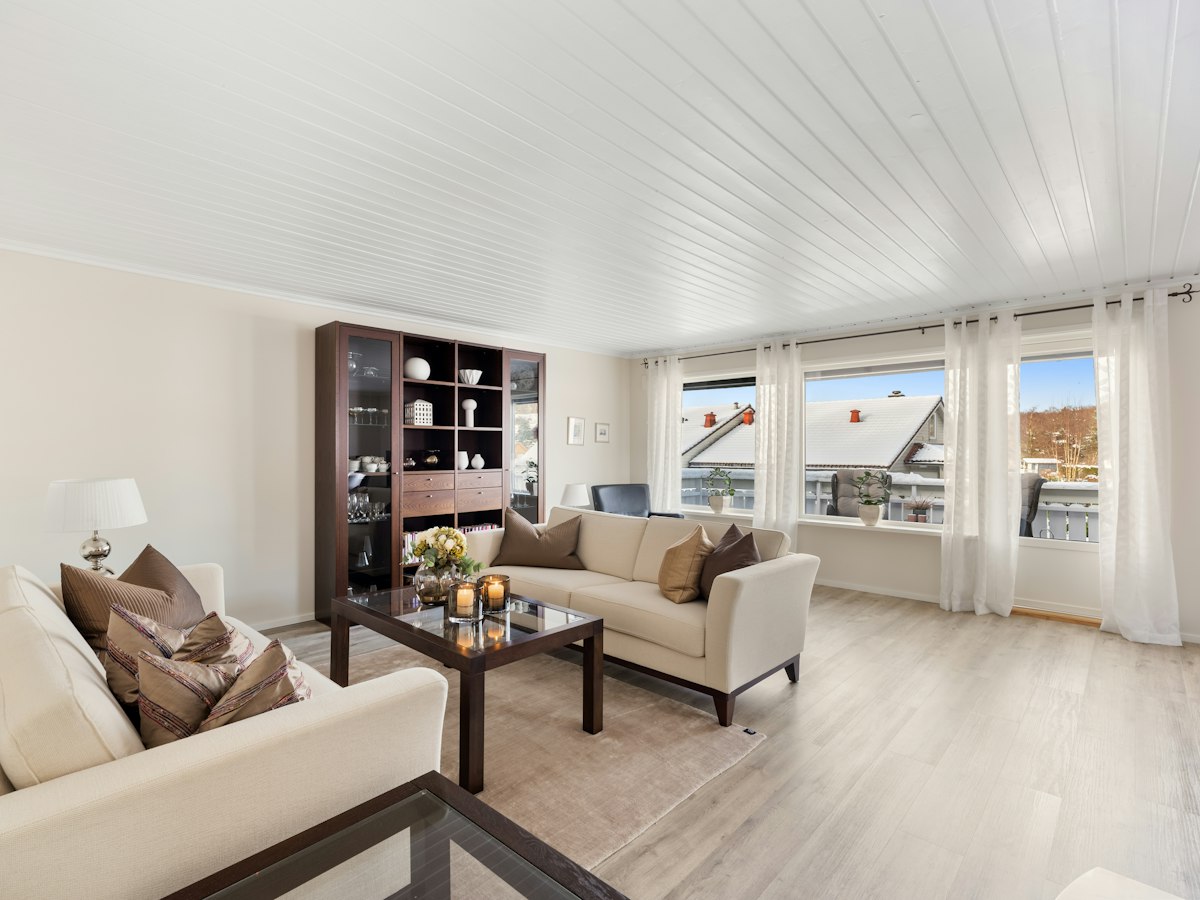
Selecting and Installing PVC Ceiling Panels for Lasting Style
When you look up, what do you see? For many, the ceiling is an overlooked canvas, a surface that can either elevate a room's aesthetic or leave it feeling dated and uninspired. Perhaps you're contending with an old, stained ceiling, or maybe you're simply seeking a fresh, modern update that combines both visual appeal and practical benefits.
The choice of ceiling material plays a significant role in the overall feel and functionality of any space. It impacts lighting, acoustics, and even the perceived size of a room. Traditional options often come with their own set of challenges, from complex installation to ongoing maintenance demands.
Related posts
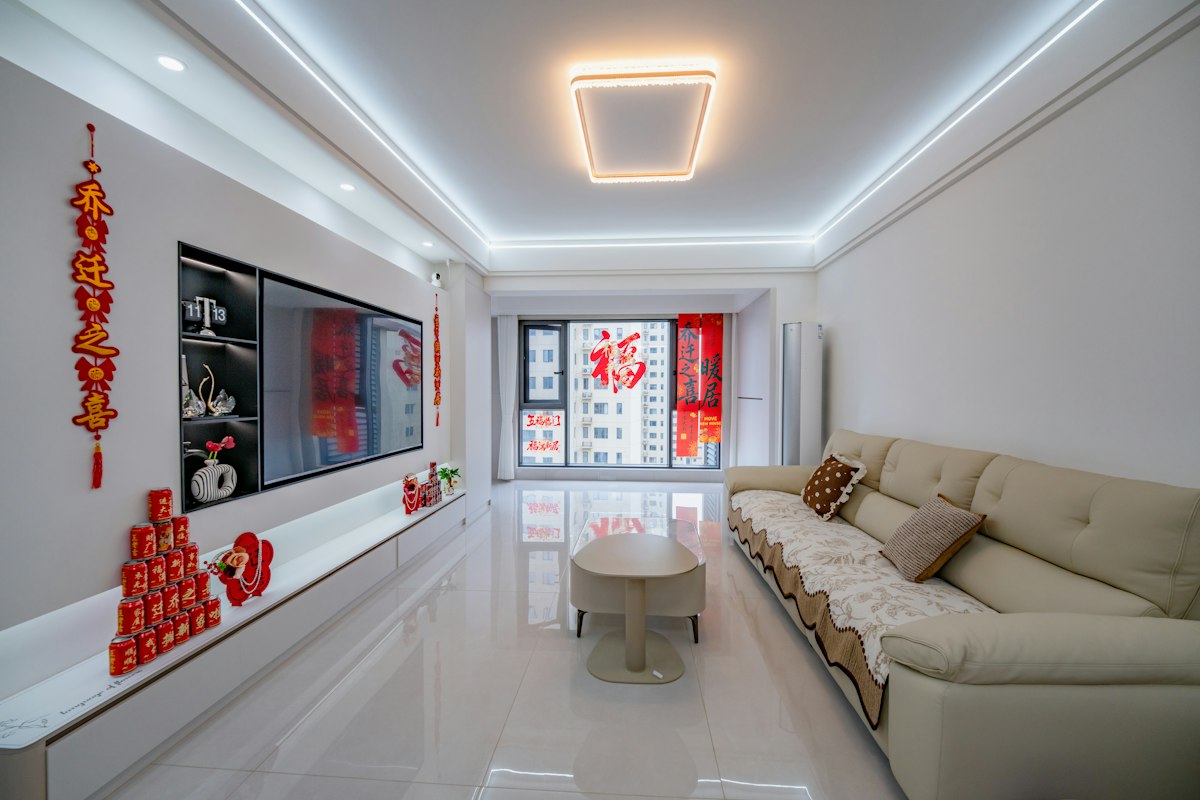
Elegant Gypsum Board Design Simple Approaches for Modern Homes
Homeowners often feel overwhelmed by the sheer variety of interior design options available today. When it comes to...
Read more →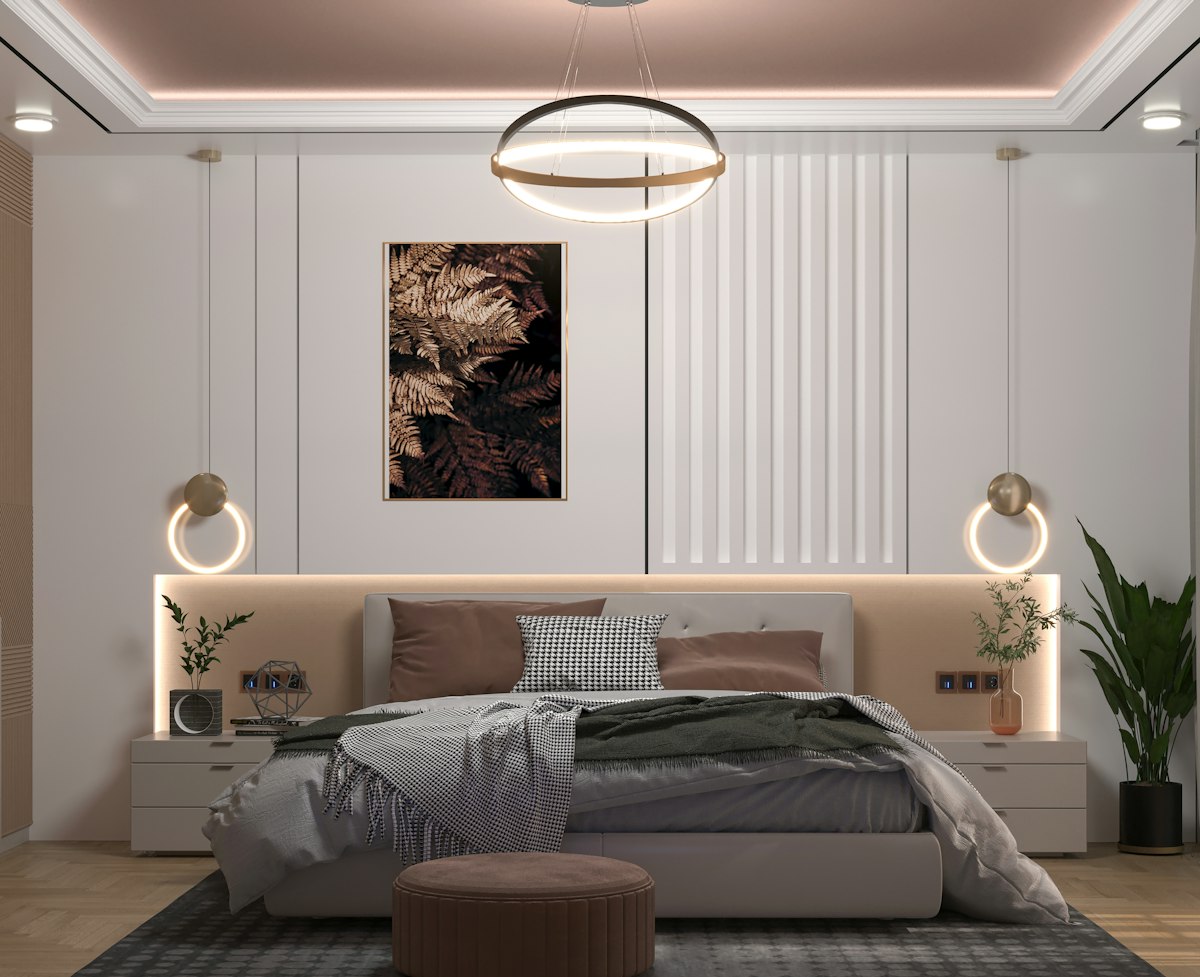
Transforming Your Bedroom with Elegant PVC Ceiling Designs
Your bedroom ceiling often goes unnoticed, a blank canvas above your most personal space. Yet, it holds immense...
Read more →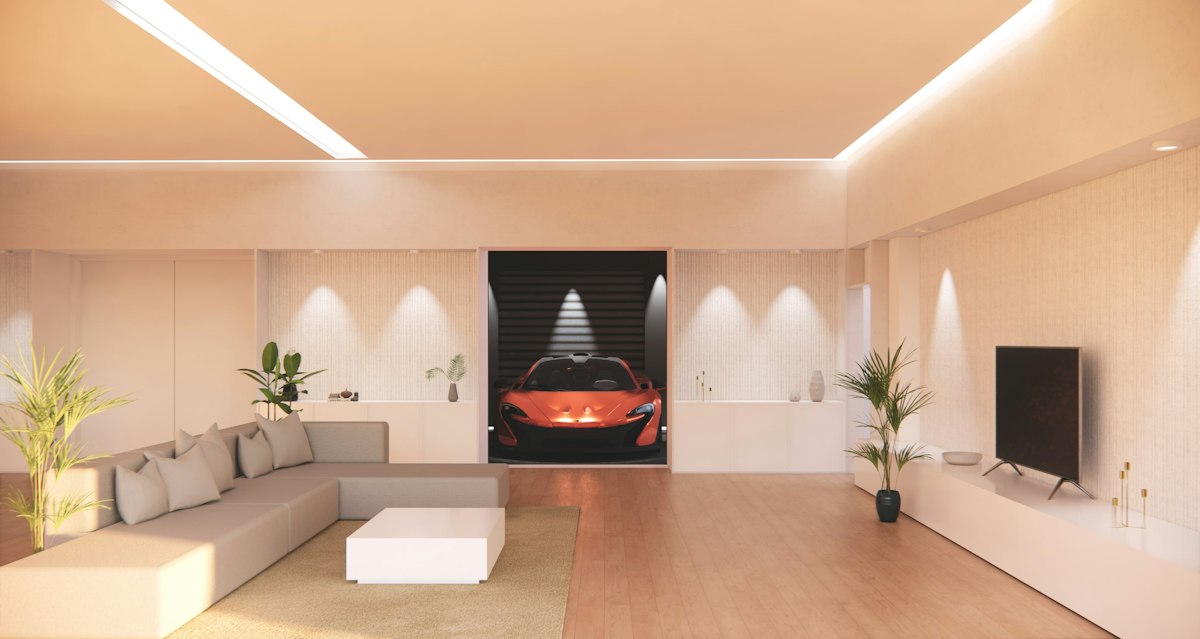
Reflecting on Stretch Light Ceiling Expenses
Considering a stretch light ceiling for your home or business? This design choice promises sleek aesthetics and dynamic...
Read more →
Smart Interior Solutions: The Benefits of a Polyvinyl Chloride Ceiling
Homeowners and property managers often face the same recurring headache: ceiling maintenance. Traditional materials like plasterboard or wood...
Read more →This is where PVC ceiling panels enter the conversation as a compelling solution. Increasingly popular in both residential and commercial settings, these panels offer a blend of versatility, durability, and ease of installation that makes them a top contender for anyone looking to transform their overhead space.
We'll explore what makes PVC ceiling panels a smart choice, covering their practical advantages, the array of styles available, and what you need to consider for a successful installation. Our aim is to provide you with a clear understanding to help you make the best decision for your project.
Key Takeaways
- PVC ceiling panels provide a durable, water-resistant, and low-maintenance option for various indoor environments.
- A wide range of designs, from subtle textures to bold patterns, allows for significant aesthetic customization.
- Installation is often straightforward, making it a feasible project for many DIY enthusiasts, potentially saving on labor costs.
- When choosing, prioritize panel thickness, quality, and consider the specific environmental needs of your space to ensure longevity.
The Appeal of PVC Ceiling Panels
Why are so many homeowners and businesses turning to PVC for their ceilings? The reasons are numerous, extending beyond mere aesthetics to encompass practical benefits that address common concerns with ceiling materials.
Why Consider PVC?
At the forefront of PVC panels' appeal is their inherent durability. Unlike drywall, which can crack or stain, PVC maintains its integrity over time. It's also remarkably resistant to moisture, making it an ideal choice for areas prone to humidity, such as bathrooms, kitchens, basements, and even laundry rooms. This moisture resistance means you're far less likely to contend with mold or mildew growth, contributing to a healthier indoor environment.
Furthermore, PVC panels are incredibly low maintenance. A simple wipe with a damp cloth is usually all it takes to keep them looking pristine, eliminating the need for frequent painting or specialized cleaning products. This ease of care translates into significant long-term savings on both time and upkeep expenses. Add to this their lightweight nature, which simplifies handling and installation, and their inherent cost-effectiveness compared to some other ceiling finishes.
Beyond Aesthetics: Practical Advantages
Beyond their visual appeal and ease of care, PVC panels offer several functional advantages. They can provide a modest degree of thermal insulation, helping to regulate room temperature, though this is not their primary function. Some thicker panels may also offer slight acoustic dampening, contributing to a quieter space.
Their hygienic surface is a major plus for commercial environments like clinics or food preparation areas, where cleanliness is paramount. Many PVC panels also come with specific fire ratings, offering an added layer of safety, although it's crucial to verify these specifications for your chosen product and local building codes.
Types and Styles of PVC Ceiling Panels
One of the most exciting aspects of PVC ceiling panels is the sheer variety available. This allows you to achieve almost any design vision, from sleek modern to classic and understated.
Seamless vs. T-Bar Systems
When it comes to installation style, you'll generally encounter two main types. Seamless panels interlock tightly, creating a smooth, continuous surface that mimics the look of a traditional ceiling without visible joints. This offers a very clean and contemporary aesthetic, ideal for living areas and bedrooms.
Alternatively, T-bar systems, also known as suspended ceilings, utilize a grid framework where panels are dropped in. This system is common in commercial spaces or basements where easy access to the plenum (the space above the ceiling) for wiring, plumbing, or HVAC is important. While the grid is visible, modern T-bar systems offer attractive finishes that integrate well into various designs.
Design Options
The aesthetic possibilities with PVC panels are extensive. You can find classic plain white panels, which provide a bright, clean look that complements any decor. For a more natural feel, wood grain finishes are popular, offering the warmth of timber without the maintenance. Metallic finishes can introduce a contemporary, industrial edge, while patterned panels allow for a bolder design statement.
Panels also come in various sizes and shapes, influencing the visual rhythm of your ceiling. Considering the overall style of your room and the existing elements will help you select a finish that truly enhances the space.
Installation Considerations
Installing PVC ceiling panels is often cited as one of their major benefits due to its relative simplicity. However, understanding the process and preparing properly can make a significant difference in the final outcome.
DIY or Professional?
For many, particularly those with basic DIY experience, installing PVC ceiling panels is a manageable project. The panels are lightweight, easy to cut, and typically involve a tongue-and-groove or click-lock system that simplifies alignment. Basic tools like a utility knife, measuring tape, and a level are often sufficient.
However, if your ceiling has complex angles, requires extensive lighting cutouts, or if you're working in a very high-ceilinged room, engaging a professional installer might be a more efficient and safer option. They can ensure a precise finish and handle any unforeseen challenges, potentially saving you time and frustration in the long run.
Preparation is Key
Regardless of who handles the installation, thorough preparation is crucial. Begin by accurately measuring your ceiling area to calculate the number of panels and any necessary trim pieces. Ensure the existing ceiling surface is clean, dry, and relatively even. While PVC panels can conceal minor imperfections, significant unevenness might require some pre-installation leveling.
Careful planning for lighting fixtures, vents, and other ceiling elements is also essential. Marking these positions accurately before you begin installing panels will ensure clean cutouts and a professional finish. Remember that once a panel is cut, it's difficult to reverse, so measure twice and cut once.
Cost of PVC Ceiling Panels
Understanding the financial aspect is a significant part of any home improvement decision. PVC ceiling panels offer an attractive balance of initial cost and long-term value.
The material cost for PVC panels typically varies based on quality, thickness, and design complexity, but they are generally competitive with or often more affordable than traditional drywall or plaster. When comparing options, consider the price per square foot or meter for the panels themselves.
If you opt for a DIY installation, your primary cost will be the materials, along with any tools you might need to purchase or rent. For professional installation, labor costs will be an additional factor. These can vary widely based on location, the complexity of the job, and the installer's experience. However, the ease of installation for PVC panels often means lower labor charges compared to more time-consuming ceiling finishes.
Beyond the upfront expense, consider the long-term value. The durability and low maintenance requirements of PVC panels can lead to substantial savings over their lifespan, avoiding costs associated with frequent painting, repairs due to moisture damage, or extensive cleaning.
Making Your Choice: What to Look For
With a variety of PVC panels on the market, knowing how to differentiate quality and suitability is important for a lasting and satisfying result.
Quality and Thickness
Not all PVC panels are created equal. Pay attention to the panel's thickness and rigidity. Thicker panels generally offer superior durability, better insulation properties, and a more robust feel. They are also less prone to warping or sagging over time. Inspect samples for consistent color, smooth edges, and a solid feel. High-quality panels will have a precise interlocking mechanism that ensures a tight, seamless fit.
Certifications and Standards
For certain applications, particularly in commercial settings or specific residential areas, look for panels that meet relevant industry standards or certifications. This might include fire ratings (e.g., Class A fire rating), which indicate the material's resistance to flame spread. If environmental impact is a concern, inquire about the manufacturer's sustainability practices or any certifications related to recycled content or low VOC emissions.
Warranty
A reputable manufacturer will stand behind their product. Always check the warranty offered on the PVC ceiling panels. A good warranty provides peace of mind, covering defects in materials or manufacturing for a specified period. Understanding the terms and conditions of the warranty can be a critical factor in your selection process.
FAQ
Are PVC ceiling panels suitable for outdoor use?
Generally, PVC ceiling panels are designed and engineered for interior applications. While PVC itself is a durable plastic, the specific formulations and finishes used for ceiling panels may not withstand prolonged exposure to direct sunlight (UV radiation), extreme temperature fluctuations, or harsh weather conditions without degrading, discoloring, or becoming brittle over time. It's always best to use products specifically rated for outdoor use if you need an exterior ceiling solution.
Can PVC panels be painted?
While technically possible with specialized primers and paints designed for plastics, painting PVC ceiling panels is generally not recommended by manufacturers. The factory finish on PVC panels is designed for durability and ease of cleaning, and applying paint can compromise these properties, potentially voiding the warranty. The paint may not adhere well, leading to peeling or chipping, and it might not achieve the smooth, uniform look of the original finish. It's usually more effective to choose panels in the desired color or finish from the outset.
How do I clean PVC ceiling panels?
Cleaning PVC ceiling panels is remarkably simple. For routine maintenance, a soft, damp cloth is usually sufficient to wipe away dust and light grime. For more stubborn marks, a mild household cleaner diluted in water can be used. Avoid abrasive cleaners, scouring pads, or harsh chemicals, as these can damage the panel's surface or finish. Always test any cleaning solution in an inconspicuous area first to ensure it doesn't cause discoloration.
Are PVC ceiling panels environmentally friendly?
The environmental profile of PVC is complex. Modern PVC manufacturing has made strides in reducing its impact, and its longevity means less frequent replacement, which can be seen as an environmental benefit. Many PVC products are also recyclable, though local recycling facilities for PVC panels may vary. When considering environmental friendliness, factors like the product's lifespan, recyclability, and the manufacturer's specific environmental practices are all relevant points to investigate.
What's the difference between PVC and gypsum ceiling panels?
The primary differences lie in their material properties and performance. Gypsum panels (like drywall) are made from gypsum plaster pressed between paper, offering a smooth, paintable surface. They are relatively heavy and susceptible to moisture damage. PVC panels, on the other hand, are made from plastic, making them lightweight, inherently water-resistant, and typically pre-finished, requiring no painting. PVC is often easier to install in wet areas and requires less ongoing maintenance, while gypsum offers a traditional, solid feel and superior fire resistance in some formulations.
Conclusion
Choosing the right ceiling material is a decision that impacts both the immediate aesthetics and the long-term functionality of your space. PVC ceiling panels present a compelling option, marrying style with practicality in a way that few other materials can. Their durability, resistance to moisture, low maintenance demands, and extensive design versatility make them an excellent choice for a wide array of applications.
By carefully considering your specific needs, evaluating the quality of the panels, and planning your installation thoughtfully, you can achieve a sophisticated and enduring ceiling solution that enhances your environment for years to come. Take the time to explore the options and envision how these versatile panels can transform your space.