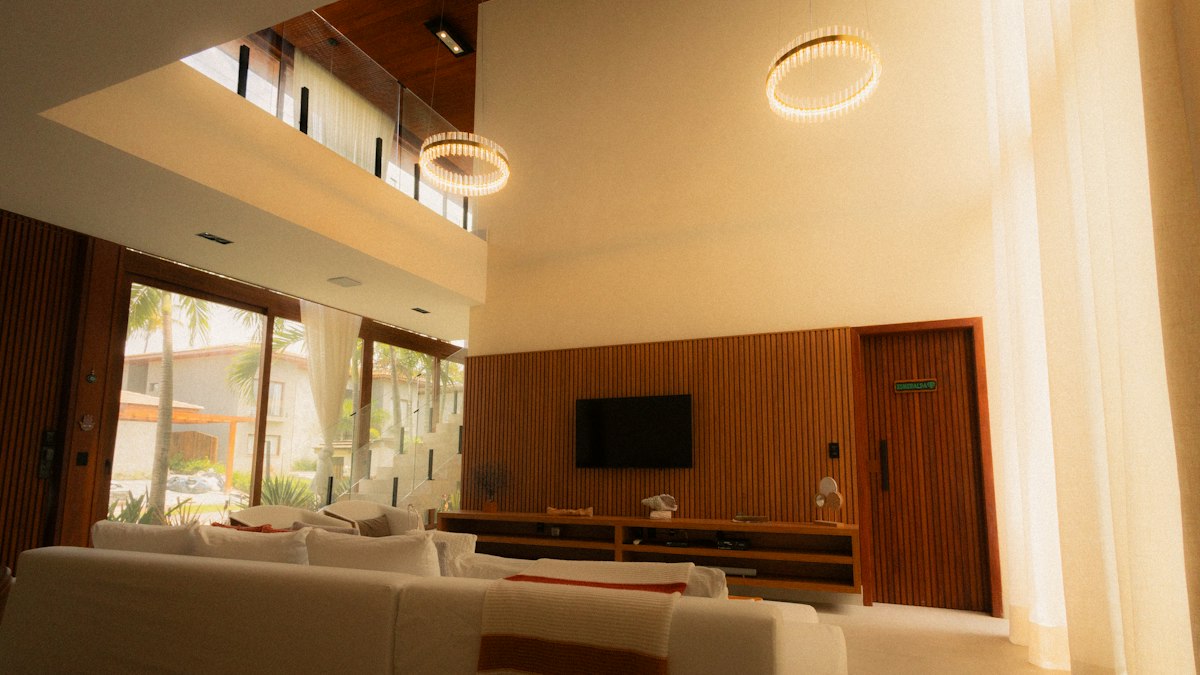
Crafting Distinctive Spaces with PVC Ceiling Designs
When you envision a room, the ceiling often gets overlooked, yet it’s a vast canvas with immense potential. It’s not just about covering the space above; it’s about defining the atmosphere, enhancing light, and adding a layer of sophistication that walls and floors alone can’t achieve. For many, the challenge lies in finding a material that offers both aesthetic versatility and practical benefits.
Traditional ceiling treatments can be heavy, messy, and limited in design. You want something that’s easy to install, simple to maintain, and capable of transforming your interior without breaking the bank. This is where PVC ceilings step into the spotlight, offering a compelling blend of durability, hygiene, and incredible design flexibility.
Related posts
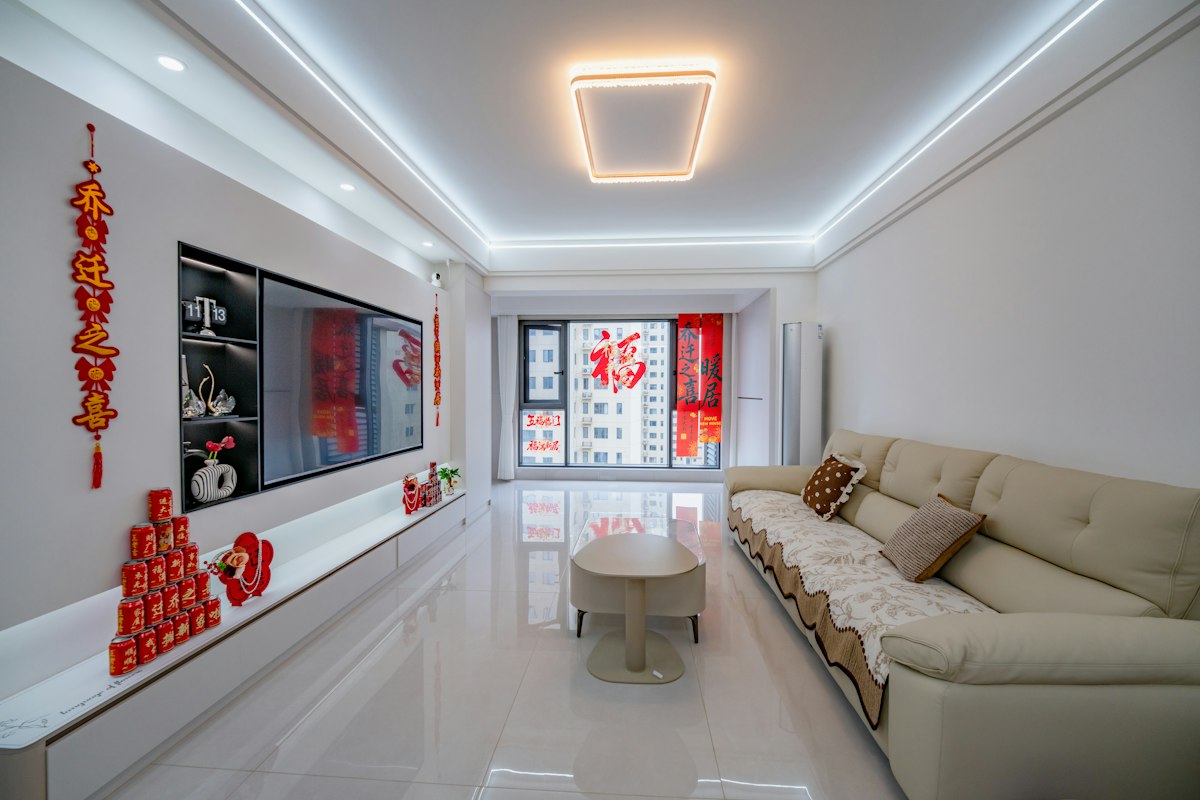
Elegant Gypsum Board Design Simple Approaches for Modern Homes
Homeowners often feel overwhelmed by the sheer variety of interior design options available today. When it comes to...
Read more →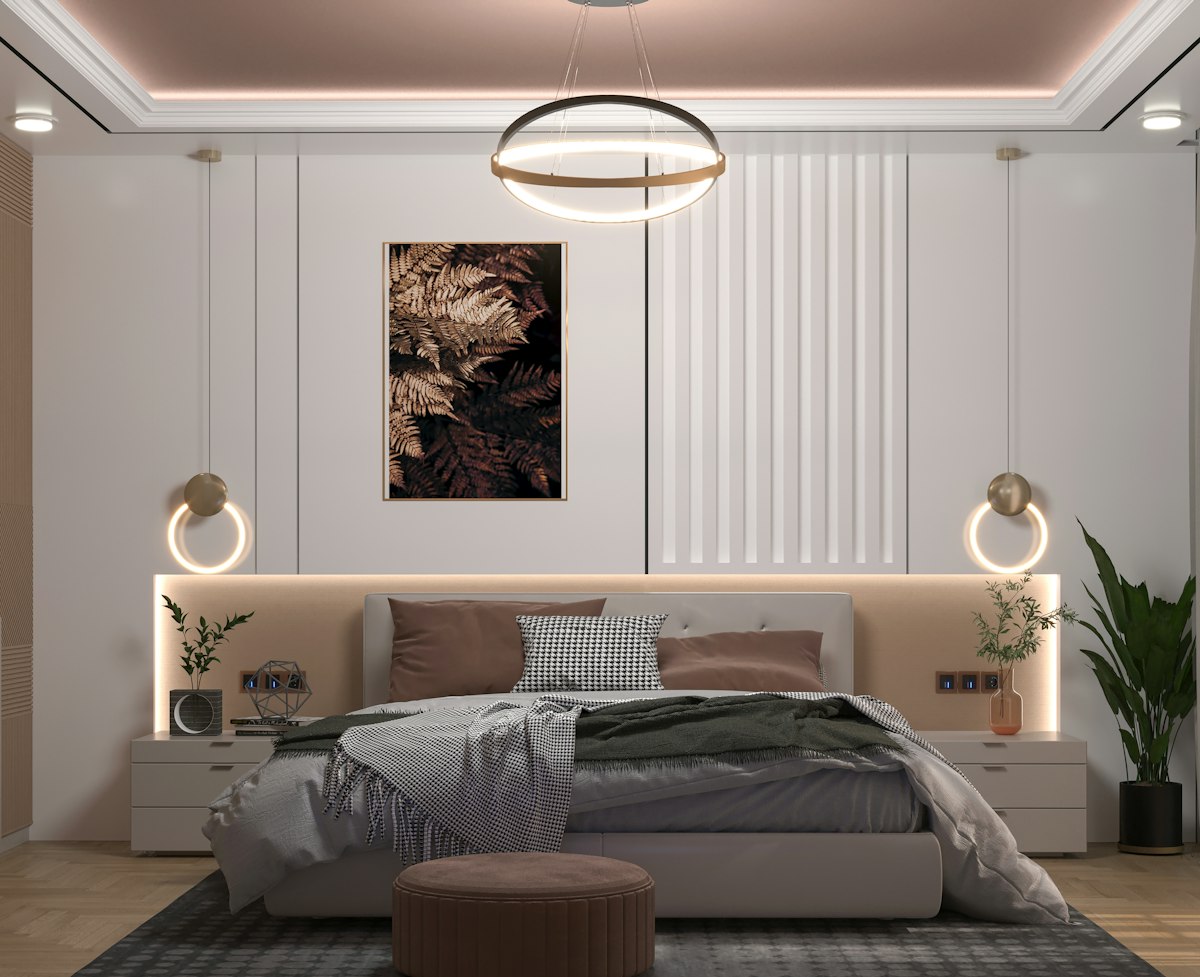
Transforming Your Bedroom with Elegant PVC Ceiling Designs
Your bedroom ceiling often goes unnoticed, a blank canvas above your most personal space. Yet, it holds immense...
Read more →
Reflecting on Stretch Light Ceiling Expenses
Considering a stretch light ceiling for your home or business? This design choice promises sleek aesthetics and dynamic...
Read more →
Smart Interior Solutions: The Benefits of a Polyvinyl Chloride Ceiling
Homeowners and property managers often face the same recurring headache: ceiling maintenance. Traditional materials like plasterboard or wood...
Read more →Choosing the right ceiling design can dramatically alter the perception of height, space, and even mood within a room. PVC panels, with their lightweight nature and diverse finishes, provide an accessible path to achieving high-end looks. They allow for creative expression in ways that might surprise you, moving far beyond simple utilitarian covers.
This discussion will explore how PVC panels can be leveraged across various design approaches, helping you understand the practicalities and aesthetic opportunities. We'll delve into the key considerations that shape a successful PVC ceiling project, ensuring you make choices that truly reflect your vision for each space.
Key Takeaways
- PVC ceilings offer exceptional versatility for modern and traditional aesthetics.
- Consider panel style, layout, color, and integrated features for a cohesive design.
- The material provides durability, moisture resistance, and straightforward maintenance.
- Cost-effectiveness and ease of installation make PVC an attractive option for many projects.
Understanding PVC Ceilings: More Than Just Utility
PVC, or Polyvinyl Chloride, has evolved significantly from its early applications. For ceilings, it’s now a go-to material, prized for its strength, lightweight nature, and resistance to moisture. These panels are typically interlocking, forming a smooth or patterned surface that conceals wiring, pipes, and imperfections in the original ceiling structure. But beyond the practicalities, it’s their design potential that truly sets them apart.
Four Pillars of PVC Ceiling Design
When approaching a PVC ceiling project, thinking about design in distinct categories can help solidify your vision. Here are four fundamental aspects that shape the overall aesthetic and functionality of your PVC ceiling.
1. Panel Style and Finish: The Visual Foundation
The choice of panel style and its surface finish dictates the immediate visual impact. PVC panels are available in an impressive array of textures and patterns, moving beyond basic white. Do you prefer a sleek, minimalist look or something with more character?
- Smooth, Glossy, or Matte: For a contemporary, clean aesthetic, smooth panels in a glossy or matte finish are excellent. They reflect light differently, with gloss adding brightness and matte offering a softer, more diffused ambiance.
- Textured and Embossed: These panels add depth and can mimic other materials. Think wood grains for warmth, metallic finishes for an industrial edge, or subtle embossed patterns that catch the light and create intricate shadows. This can be particularly effective in creating a focal point or adding architectural interest without the weight or cost of genuine materials.
- Printed Designs: Some PVC panels come with printed patterns, ranging from geometric shapes to abstract art. These can introduce a unique decorative element, perhaps complementing a specific theme in the room.
2. Layout and Configuration: Defining Space
How the panels are arranged on the ceiling can profoundly influence the perception of the room. It’s not just about fitting pieces together; it’s about creating flow, direction, and visual interest.
- Seamless Integration: Large format panels installed with minimal visible seams create a continuous, expansive look, ideal for modern, open-plan spaces where uninterrupted surfaces are desired.
- Grid Patterns: While often associated with commercial spaces, a well-designed grid can offer a structured, orderly feel. Smaller, square panels can be arranged in a classic grid, or you might opt for rectangular panels to create linear patterns that elongate a room.
- Creative Orientations: Don't limit yourself to parallel lines. Consider diagonal layouts to add dynamism, or combine different panel sizes to create unique, custom patterns. The 'four' in your design could even refer to a specific quadrant layout or a central feature framed by four surrounding sections.
3. Color and Tone: Setting the Mood
Color is a powerful design tool, and your ceiling's hue plays a significant role in the overall atmosphere. PVC panels offer a spectrum of colors beyond traditional white.
- Classic Whites and Neutrals: These remain popular for their ability to brighten spaces and make rooms feel larger. Off-whites, creams, and light grays offer subtle variations that can complement various wall colors.
- Wood-Look Panels: For a touch of natural warmth without the maintenance of real wood, PVC panels mimicking various wood species are an excellent choice. They bring a cozy, inviting feel to living areas and bedrooms.
- Bold and Dark Tones: In specific design contexts, such as a media room or a dramatic dining area, darker PVC panels can create intimacy and sophistication. When combined with thoughtful lighting, they can produce a truly striking effect.
4. Integrated Lighting and Architectural Features: Enhancing Functionality and Ambiance
A ceiling isn’t complete without considering how it interacts with light and other architectural elements. PVC panels are highly adaptable to these integrations.
- Recessed Lighting: PVC false ceilings are perfect for housing recessed downlights, offering a clean, unobtrusive lighting solution that provides ample illumination without visual clutter.
- Cove Lighting: Creating a dropped ceiling or a perimeter ledge with PVC allows for hidden LED strips, casting a soft, indirect glow that adds depth and a luxurious feel to the room. This creates a beautiful halo effect.
- Multi-Level Ceilings: PVC panels are lightweight enough to be easily shaped into multi-level or stepped ceiling designs. These architectural features add visual interest, define different zones within an open space, and can cleverly conceal wiring for various fixtures.
- Ventilation Integration: Ensure that any necessary ventilation grilles or access panels are seamlessly incorporated into your PVC ceiling design for both aesthetics and functionality.
Practical Considerations for Your PVC Ceiling Project
Beyond the aesthetics, practical aspects weigh heavily on any home improvement decision. PVC ceilings score high on several fronts.
Installation and Maintenance
One of the biggest appeals of PVC ceilings is their ease of installation. Panels are typically lightweight and interlock, often clicking into a grid system or directly adhering to a frame. This usually translates to quicker project completion and potentially lower labor costs compared to plaster or drywall. Once installed, maintenance is minimal. A simple wipe-down with a damp cloth is usually all it takes to keep them looking fresh. They are also highly resistant to moisture, making them ideal for kitchens, bathrooms, and basements where humidity can be an issue.
Cost-Effectiveness
PVC ceiling panels are generally more affordable than many traditional ceiling materials, both in terms of material cost and installation. This makes them an attractive option for homeowners looking to achieve a designer look on a sensible budget. Pricing varies based on panel thickness, finish, and design complexity, but overall, they offer excellent value.
Frequently Asked Questions
Does PVC ceiling material come in different sizes and shapes?
Yes, PVC ceiling panels are available in a variety of standard sizes, typically rectangular (e.g., 25cm x 2.7m) and square (e.g., 60cm x 60cm) formats. Some manufacturers also offer custom lengths or specific modular designs, providing flexibility for different room dimensions and design preferences.
Are PVC ceilings suitable for all rooms in a home?
PVC ceilings are highly versatile and suitable for most rooms. Their moisture resistance makes them particularly excellent for bathrooms, kitchens, and basements. They are also popular in living rooms, bedrooms, and hallways due to their aesthetic appeal and ease of maintenance. The only real limitation might be in areas requiring extreme heat resistance, though standard residential applications are well within their capabilities.
What is the typical lifespan of a PVC ceiling?
With proper installation and reasonable care, a PVC ceiling can last for many years, often exceeding 10-15 years without significant degradation. They are resistant to warping, rotting, and insect damage, contributing to their long-term durability. Direct, prolonged exposure to harsh UV light can sometimes affect color over decades, but this is rarely an issue for interior ceilings.
Can I install a PVC ceiling myself, or should I hire a professional?
Many DIY enthusiasts find PVC ceiling installation manageable, especially for simpler grid or direct-fix systems. The panels are lightweight and easy to cut. However, for complex designs involving multi-level structures, integrated lighting, or very large rooms, hiring a professional installer is often recommended to ensure a flawless finish and proper structural integrity.
Conclusion
Choosing a PVC ceiling design offers a pathway to creating interiors that are both visually stunning and highly practical. By thoughtfully considering the four key design elements—panel style, layout, color, and integrated features—you can transform an often-overlooked surface into a defining feature of your home. The durability, ease of maintenance, and cost-effectiveness of PVC make it a smart choice for anyone looking to elevate their living spaces with modern, adaptable ceiling solutions.