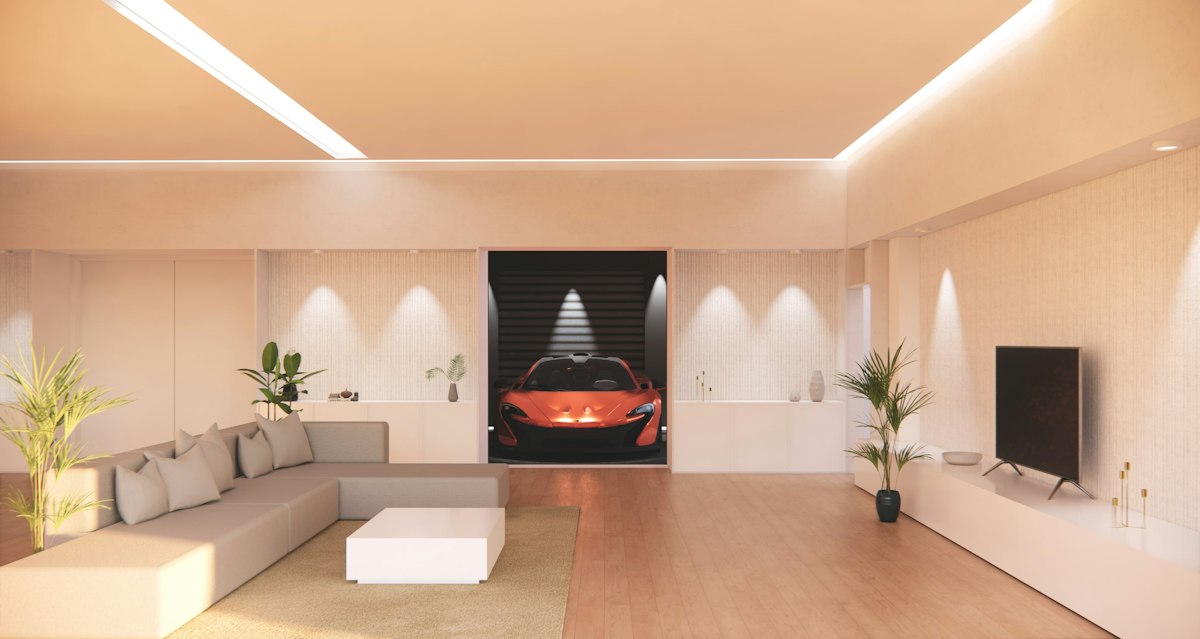
Reflecting on Stretch Light Ceiling Expenses
Considering a stretch light ceiling for your home or business? This design choice promises sleek aesthetics and dynamic illumination, transforming any space. But, like any significant renovation, the first question often becomes: what will this actually cost?
The appeal is clear: a seamless, luminous surface that makes a room feel larger and brighter. Integrated lighting means no visible fixtures, just a pure, even glow. Understanding the financial commitment is key to deciding if it’s the right fit for your project.
Related posts
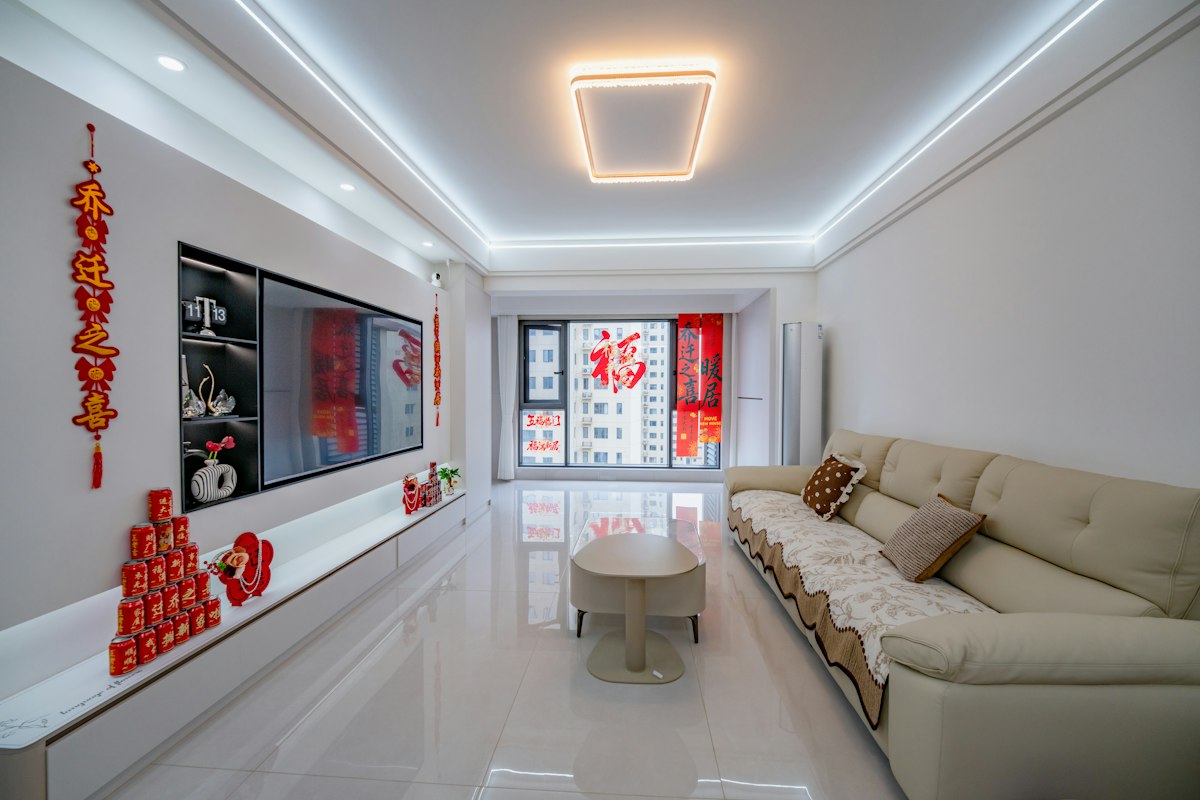
Elegant Gypsum Board Design Simple Approaches for Modern Homes
Homeowners often feel overwhelmed by the sheer variety of interior design options available today. When it comes to...
Read more →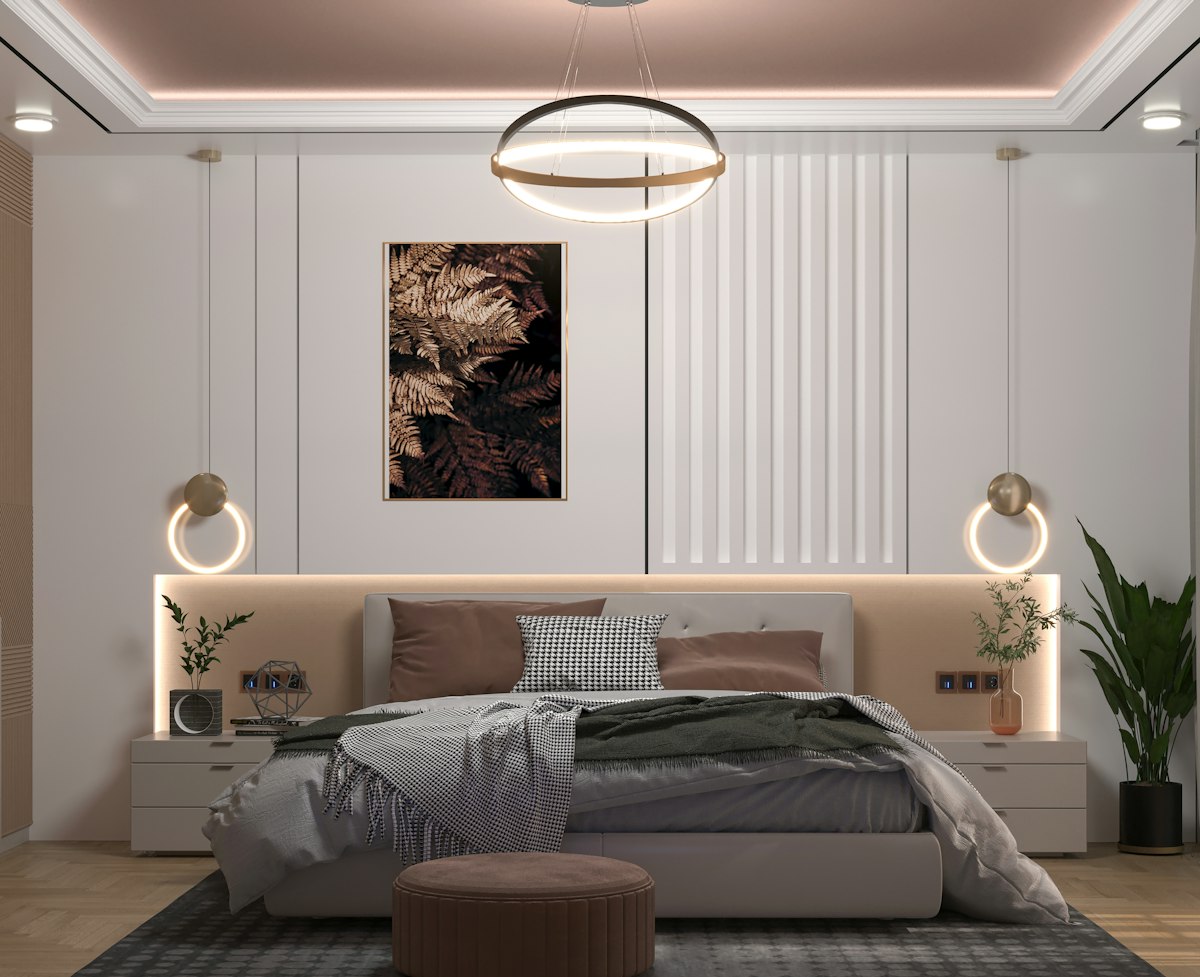
Transforming Your Bedroom with Elegant PVC Ceiling Designs
Your bedroom ceiling often goes unnoticed, a blank canvas above your most personal space. Yet, it holds immense...
Read more →
Smart Interior Solutions: The Benefits of a Polyvinyl Chloride Ceiling
Homeowners and property managers often face the same recurring headache: ceiling maintenance. Traditional materials like plasterboard or wood...
Read more →
Crafting Distinctive Spaces with PVC Ceiling Designs
When you envision a room, the ceiling often gets overlooked, yet it’s a vast canvas with immense potential....
Read more →This article explores the various components contributing to the overall expenditure of a stretch light ceiling. We’ll examine material choices, lighting technologies, installation intricacies, and customization options, providing a clear picture of where your money goes. Our aim is to equip you with the knowledge to budget effectively and make an informed choice for your illuminated ceiling transformation.
By the end, you’ll have a solid grasp of the factors influencing the 'stretch light ceiling cost' and what to expect when planning your illuminated ceiling transformation. Let's illuminate the details.
Key Takeaways
- Stretch light ceiling costs vary widely based on materials, lighting complexity, and installation specifics.
- Integrated LED technology is a primary cost driver, offering significant aesthetic and functional benefits.
- Customization, such as printed designs or complex shapes, will increase project expenditure.
- Professional installation is crucial for durability and optimal lighting performance, influencing final pricing.
Understanding the Stretch Light Ceiling
Before dissecting the costs, let’s clarify what a stretch light ceiling entails. It’s a suspended system using a lightweight fabric or PVC membrane stretched tautly across a perimeter track. A "stretch light" ceiling integrates lighting elements – typically LED strips or panels – behind this translucent membrane.
The result is a uniformly lit surface, appearing as a giant light fixture or a canvas for artistic illumination. This system offers a clean, modern aesthetic, free from traditional fixtures. It provides excellent light distribution, can be dimmable, and even offer color-changing capabilities. The membrane comes in various finishes and can be printed, adding personalization and cost.
Primary Factors Influencing Stretch Light Ceiling Cost
The price for a stretch light ceiling is dynamic, shaped by several interconnected elements. Understanding these will help you anticipate your required investment.
Material, Lighting, and Complexity
The membrane (PVC or polyester fabric) is key. PVC is generally more affordable and waterproof, available in matte, glossy, translucent, or printed finishes. Fabric options, while pricier, offer seamless finishes and better acoustics. This choice directly impacts per-square-foot cost.
A substantial budget allocation goes to the integrated lighting. This typically features LED strips or panels. Higher density LEDs, advanced smart controls (dimming, color changes), and premium, energy-efficient LEDs all increase costs but offer enhanced functionality and longevity.
Installation is a major cost driver, reflecting labor and specialized skills. Complexity increases with larger or irregularly shaped rooms, very high ceilings, numerous obstructions/cutouts, and multi-level or 3D designs. Existing ceiling preparation can also add to the project.
Customization and Expertise
Custom images or intricate 3D sculpted effects require specialized design, printing, and fabrication, significantly increasing the price. The more unique your vision, the higher the expenditure.
Labor rates vary by region. Experienced, specialized installers might charge more but ensure precision, efficiency, and quality. Always seek quotes from reputable professionals.
Typical Price Ranges: What to Expect
An exact figure is challenging without specific project details. For a standard translucent stretch ceiling with integrated LED backlighting in a simple rectangular room, expect prices from $25 to $60 per square foot (or €250 to €600 per square meter). This typically includes the membrane, LED strips, and standard installation.
This range fluctuates significantly. Basic setups lean lower; larger rooms, higher quality LEDs, or slightly more complex designs fall mid-range. High-end, custom projects can easily exceed $70-$100 per square foot or more. Factor in potential additional electrical work or permits.
Comparing Stretch Light Ceilings to Alternatives
Is a stretch light ceiling the right investment compared to other lighting and ceiling solutions? Let's consider alternatives:
Traditional Drywall with Recessed Lighting
While new drywall and numerous recessed LED cans might seem cheaper upfront, achieving uniform, diffuse illumination requires many more fixtures, leading to higher electrical costs and less even light distribution. Recessed cans create hotspots; a stretch light ceiling provides a seamless glow with no visible fixtures and reduced long-term maintenance.
Suspended Grid Ceilings with LED Panels
Common in commercial spaces, a suspended grid with LED panels offers modularity and quick installation. Aesthetically, it looks more utilitarian and less refined than a seamless stretch ceiling, with a visible grid and less design flexibility. While cost-comparable for large areas, it sacrifices significant visual appeal.
Is the Investment in a Stretch Light Ceiling Worth It?
Considering the stretch light ceiling cost, look beyond initial outlay to long-term value. These systems offer compelling advantages:
- Exceptional Aesthetics: Unique, modern look with even glow or custom illuminated designs.
- Durability & Longevity: High-quality stretch ceilings resist cracks, lasting decades with minimal maintenance.
- Low Maintenance: Anti-static membranes repel dust; simple wipe-down. No repainting.
- Energy Efficiency: Paired with modern LED lighting, highly energy-efficient, lowering electricity bills.
- Acoustic Benefits: Some fabric membranes improve acoustics.
- Quick Installation: Faster and cleaner than traditional drywall, minimizing disruption.
For those seeking a distinctive, high-impact design element combining sophisticated lighting with a clean aesthetic, a stretch light ceiling is a worthwhile investment. It’s an integral part of a room's character and functionality.
Frequently Asked Questions About Stretch Light Ceilings
How long does installation take?
Installation time depends on room size, complexity, and installer experience. For an average-sized, standard rectangular room, a professional team can often complete installation in one to three days.
Are they energy efficient?
Absolutely. With modern LED lighting systems, stretch light ceilings are highly energy-efficient. LEDs consume less power, have a longer lifespan, and produce less heat, leading to lower electricity consumption.
Can I install one myself?
Installing a stretch light ceiling is specialized, requiring specific tools, techniques, and expertise. Proper tensioning, track alignment, and electrical wiring are critical for aesthetics and safety. DIY installation is strongly discouraged due to potential poor results or safety hazards. Professional installation ensures a flawless finish.
What maintenance is required?
Stretch light ceilings are remarkably low maintenance. Their anti-static properties repel dust. A soft, damp cloth with a mild cleaner is usually sufficient for cleaning; avoid harsh chemicals. No painting or frequent repairs are needed.
Do they increase property value?
While a precise increase is hard to quantify, a well-designed and professionally installed stretch light ceiling can enhance a property's appeal and perceived value. Its modern aesthetic, unique lighting, and low-maintenance nature are attractive features for potential buyers.
Conclusion
Understanding the 'stretch light ceiling cost' involves appreciating the value derived from a sophisticated, integrated design solution. From material choice and lighting complexity to installation intricacies and customization, each element contributes to the final investment. While a premium option, the unparalleled aesthetics, durability, energy efficiency, and low maintenance often make it a compelling choice for creating truly exceptional illuminated spaces. Prioritize reputable installers and quality materials for a stunning and lasting transformation.