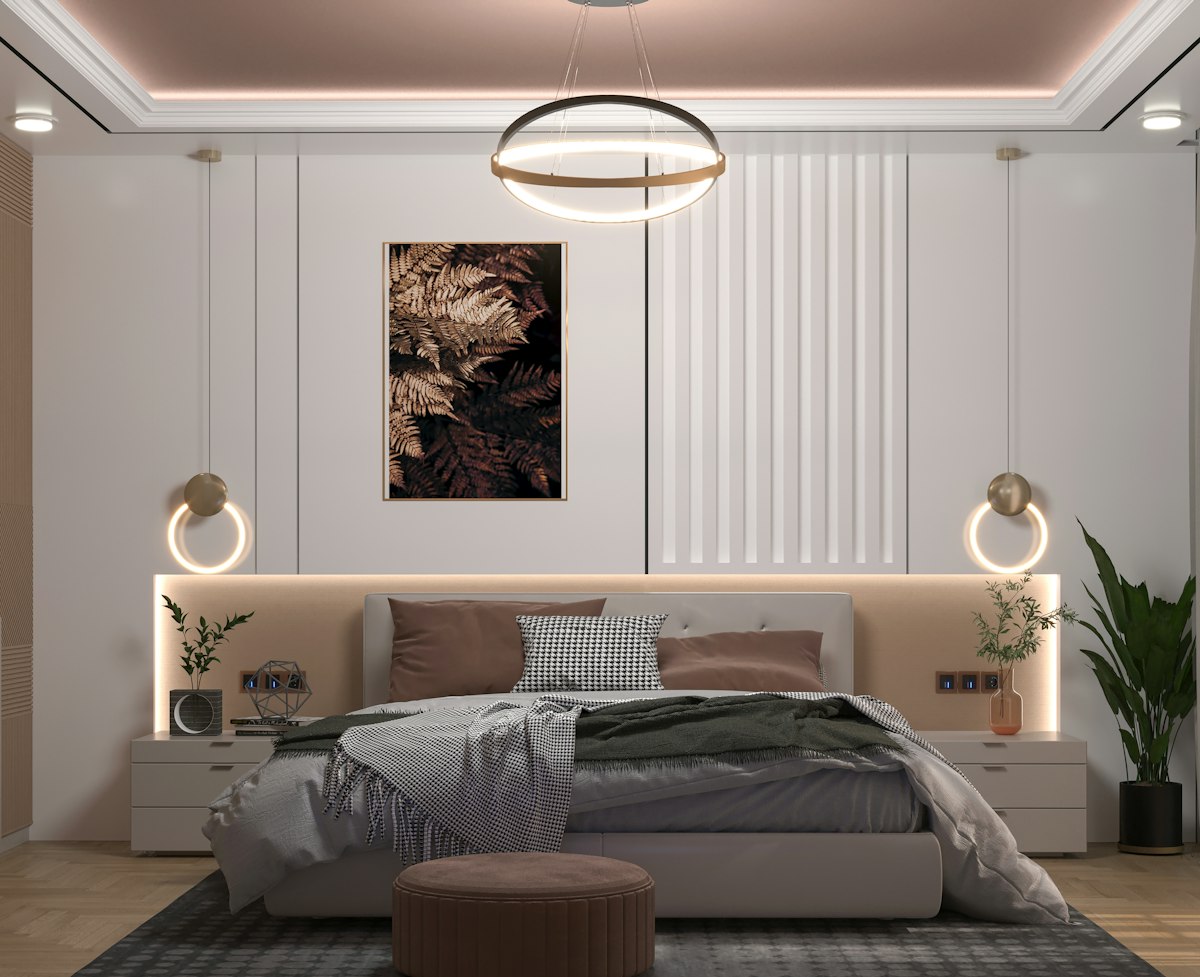
Transforming Your Bedroom with Elegant PVC Ceiling Designs
Your bedroom ceiling often goes unnoticed, a blank canvas above your most personal space. Yet, it holds immense potential to define the room's character, enhance its comfort, and even influence your mood. A well-chosen ceiling design can elevate the entire aesthetic, adding depth, texture, and a touch of sophistication that traditional flat plaster simply can't match.
For many homeowners, the thought of a major ceiling overhaul brings visions of messy construction, high costs, and lengthy disruptions. But what if there was a versatile, durable, and relatively straightforward option that offered incredible design flexibility without the typical drawbacks? This is precisely where PVC ceiling designs enter the conversation, particularly for a space as important as your bedroom.
Related posts
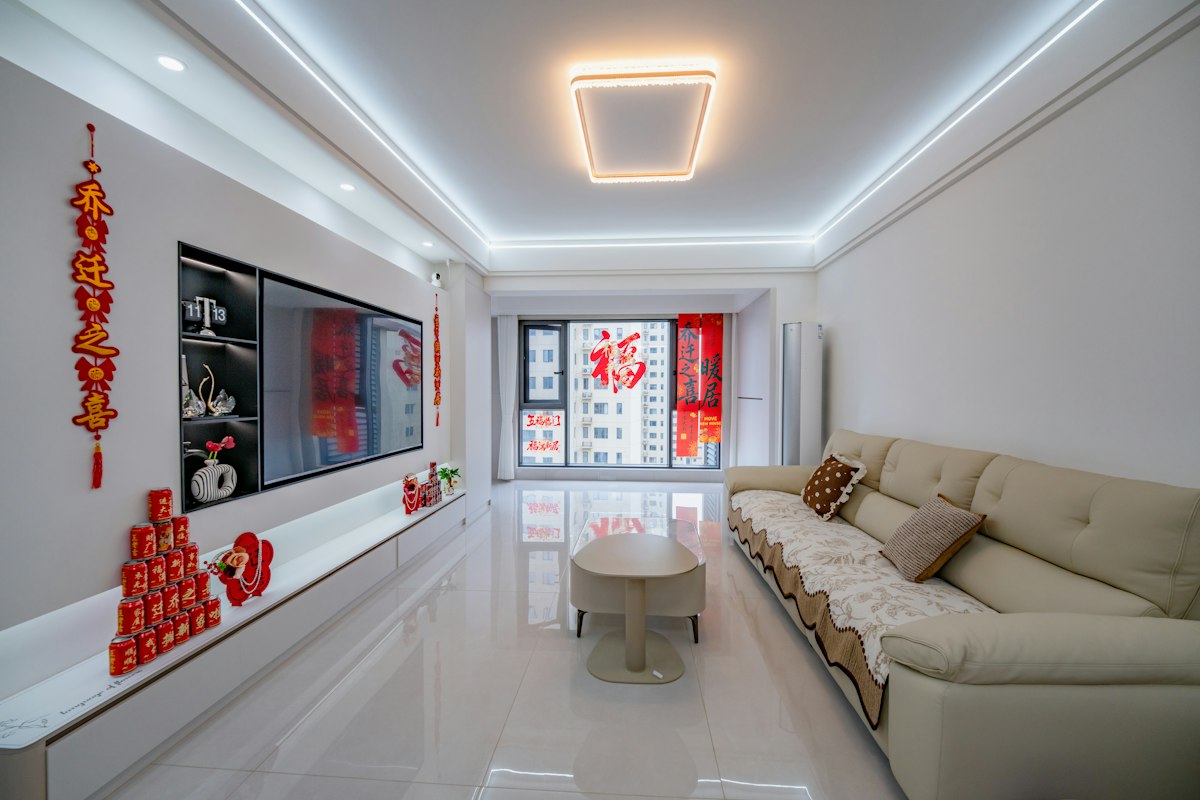
Elegant Gypsum Board Design Simple Approaches for Modern Homes
Homeowners often feel overwhelmed by the sheer variety of interior design options available today. When it comes to...
Read more →
Reflecting on Stretch Light Ceiling Expenses
Considering a stretch light ceiling for your home or business? This design choice promises sleek aesthetics and dynamic...
Read more →
Smart Interior Solutions: The Benefits of a Polyvinyl Chloride Ceiling
Homeowners and property managers often face the same recurring headache: ceiling maintenance. Traditional materials like plasterboard or wood...
Read more →
Crafting Distinctive Spaces with PVC Ceiling Designs
When you envision a room, the ceiling often gets overlooked, yet it’s a vast canvas with immense potential....
Read more →PVC, or Polyvinyl Chloride, has evolved far beyond its utilitarian origins. Modern PVC panels and systems offer an impressive array of finishes, patterns, and structural capabilities, making them a compelling choice for creating truly distinctive bedroom ceilings. They combine practicality with aesthetic appeal, addressing common concerns while opening up a world of design possibilities.
This article explores the compelling reasons to consider PVC for your bedroom ceiling, delves into the diverse design options available, and provides practical insights to help you make an informed decision. We'll cover everything from simple panel installations to intricate false ceiling structures, ensuring you understand how to select a design that perfectly complements your personal sanctuary.
Key Takeaways
- PVC offers exceptional design versatility, allowing for flat, paneled, or intricate 3D false ceiling creations in a bedroom setting.
- Beyond aesthetics, PVC ceilings provide durability, moisture resistance, easy maintenance, and potential thermal insulation benefits.
- Successful implementation involves considering room size, existing decor, lighting integration, and whether to opt for professional installation.
- Cost-effectiveness varies with design complexity and labor, but PVC often presents a more budget-friendly alternative to traditional materials with similar visual impact.
Why Consider PVC for Your Bedroom Ceiling?
When evaluating materials for your bedroom ceiling, PVC stands out for several compelling reasons. It’s not just about looks; it’s about a combination of practical advantages that make it an attractive choice for homeowners seeking both style and functionality.
Durability and Longevity
PVC panels are remarkably robust. Unlike plaster or gypsum, they are resistant to cracking, warping, and peeling, ensuring your ceiling maintains its pristine appearance for many years. This inherent durability means less concern about structural issues or the need for frequent repairs, offering peace of mind in a space where comfort is paramount.
Moisture and Mold Resistance
Bedrooms, especially those in humid climates or near bathrooms, can sometimes face moisture challenges. PVC is inherently waterproof, making it an excellent barrier against humidity and preventing the growth of mold and mildew. This attribute contributes to a healthier indoor environment and protects the structural integrity of your ceiling.
Easy Maintenance
One of the most appreciated benefits of PVC ceilings is their low maintenance. A simple wipe-down with a damp cloth is usually all it takes to keep them looking fresh and clean. There's no need for repainting or specialized cleaning products, saving you time and effort over the life of the ceiling.
Aesthetic Versatility
This is where PVC truly shines for bedroom applications. The material can be manufactured in an astonishing array of colors, textures, and patterns. From sleek, glossy finishes to realistic wood grain or metallic effects, PVC can mimic almost any material, allowing for incredible creative freedom in your bedroom design.
Thermal and Acoustic Benefits
While not a primary insulator, PVC panels can add an extra layer that contributes to thermal insulation, potentially helping to regulate room temperature. Some designs also offer a degree of acoustic dampening, which can be a welcome benefit in a bedroom, creating a quieter, more serene atmosphere.
Exploring PVC Ceiling Design Possibilities
The true appeal of PVC for bedroom ceilings lies in its design flexibility. You're not limited to a single look; instead, you can craft an environment that perfectly reflects your personal style and enhances the overall ambiance of your sleeping space.
Flat and Paneled Designs
For a clean, modern aesthetic, flat PVC panels offer a seamless look. These can be installed to create a smooth, uninterrupted surface that provides a minimalist backdrop. Alternatively, paneled designs introduce subtle lines and divisions, adding a structured elegance. You can choose panels with beveled edges or V-grooves for a more pronounced architectural detail. These are ideal for contemporary or Scandinavian-inspired bedrooms, creating an uncluttered and spacious feel.
Textured and Patterned Finishes
Beyond plain colors, PVC panels come with a variety of textures and patterns. Imagine a ceiling with a subtle fabric-like texture, a sophisticated geometric print, or even a design that mimics the look of natural stone or brushed metal. These finishes add visual interest without overwhelming the room, perfect for creating a focal point above your bed or simply adding a touch of luxury.
3D and False Ceiling Creations
This is where PVC truly allows for dramatic transformations. By creating a false ceiling structure, you can introduce multiple levels, recessed areas, and intricate shapes. Popular options include:
- Cove Ceilings: Featuring a recessed channel around the perimeter, perfect for hidden LED strip lighting that casts a soft, ambient glow.
- Tray Ceilings: A central recessed area that adds depth and can be painted a contrasting color or fitted with a unique finish.
- Geometric Patterns: Intricate designs with squares, circles, or abstract shapes that add a dynamic architectural element.
- Coffered Ceilings: While traditionally wood, PVC can mimic this classic look, creating a grid of sunken panels that exude grandeur.
These 3D designs are particularly impactful in larger bedrooms or those with higher ceilings, allowing for grander statements and creative lighting integration.
Integrated Lighting Solutions
One of the most exciting aspects of modern PVC ceiling designs is the seamless integration of lighting. Recessed spotlights, LED strips, and hidden cove lighting can be built directly into the ceiling structure. This not only provides superior illumination but also creates a sophisticated, layered lighting scheme that enhances the bedroom's mood and functionality. Imagine a soft, warm glow emanating from a ceiling cove, perfect for unwinding in the evening.
Practical Considerations for Your Bedroom PVC Ceiling
While the design possibilities are exciting, practical aspects of installation and selection are equally important. Thinking through these points ensures a smooth project and a satisfying outcome.
Room Size and Height
For smaller bedrooms or those with lower ceilings, flat or subtly paneled PVC designs tend to work best. Elaborate 3D false ceilings can sometimes make a small room feel cramped. Conversely, in spacious rooms with ample height, intricate multi-level designs can truly shine, adding grandeur without sacrificing openness.
Matching Your Existing Decor
Your PVC ceiling should complement the overall aesthetic of your bedroom. Are you aiming for a minimalist, contemporary look? Perhaps a sleek, matte white or light gray panel. Is your room more traditional or luxurious? Consider PVC panels that mimic dark wood or have a subtle metallic sheen. The ceiling should enhance, not conflict with, your furniture, wall colors, and textiles.
Installation Complexity and Cost
Simple flat panel installations are relatively straightforward and can sometimes be a DIY project for experienced homeowners. However, complex 3D false ceilings require precision, structural planning, and often specialized tools. For these, engaging a professional installer is highly recommended. Labor costs will vary significantly based on the design's intricacy and your location. Material costs are generally competitive, ranging from modest for basic panels to higher for specialized textures or custom-designed systems.
Ventilation and Airflow
While PVC itself is inert, ensuring proper ventilation in your bedroom remains crucial, especially if you're installing a false ceiling that might create a small air gap. Good airflow helps maintain air quality and prevents any potential moisture buildup within the ceiling cavity.
FAQ
Are PVC ceilings safe for bedrooms?
Modern PVC ceiling panels are generally considered safe for interior use, including bedrooms. They are non-toxic, emit no harmful VOCs (Volatile Organic Compounds) once installed, and many are manufactured with fire-resistant properties, meeting various safety standards. Always choose products from reputable manufacturers that comply with local building regulations.
How long do PVC ceilings typically last?
With proper installation and minimal maintenance, a high-quality PVC ceiling can last anywhere from 10 to 20 years, or even longer. Their durability and resistance to common issues like moisture, pests, and cracking contribute to their impressive lifespan.
Can PVC ceilings help with room insulation?
Yes, to a degree. While not a primary insulating material like fiberglass or foam, installing PVC panels, especially as part of a false ceiling system, creates an air gap between the original slab and the new ceiling. This air pocket can add a layer of thermal insulation, potentially contributing to better temperature regulation and energy efficiency in your bedroom.
What is the maintenance routine for a PVC bedroom ceiling?
Maintaining a PVC ceiling is remarkably simple. For routine cleaning, a soft, damp cloth is usually sufficient to wipe away dust or light smudges. For more stubborn marks, a mild soap solution can be used, followed by a clean, damp cloth. Avoid abrasive cleaners or harsh chemicals, which could damage the finish.
Is a PVC ceiling noisy or prone to creaking?
When properly installed, a PVC ceiling should not be noisy or prone to creaking. Any noise typically stems from poor installation, such as panels not being securely fastened or insufficient allowance for thermal expansion and contraction. Engaging an experienced installer helps prevent such issues, ensuring a quiet and stable ceiling.
Conclusion
Choosing a PVC ceiling design for your bedroom offers a compelling blend of aesthetic appeal, practical benefits, and long-term value. From sleek, minimalist panels to elaborate 3D structures with integrated lighting, the versatility of PVC allows you to craft a truly personalized and inviting atmosphere. By considering your room's specific characteristics, your personal style, and the practicalities of installation, you can create a bedroom ceiling that not only looks stunning but also enhances the comfort and functionality of your most private retreat. It's an investment that pays dividends in both beauty and peace of mind.