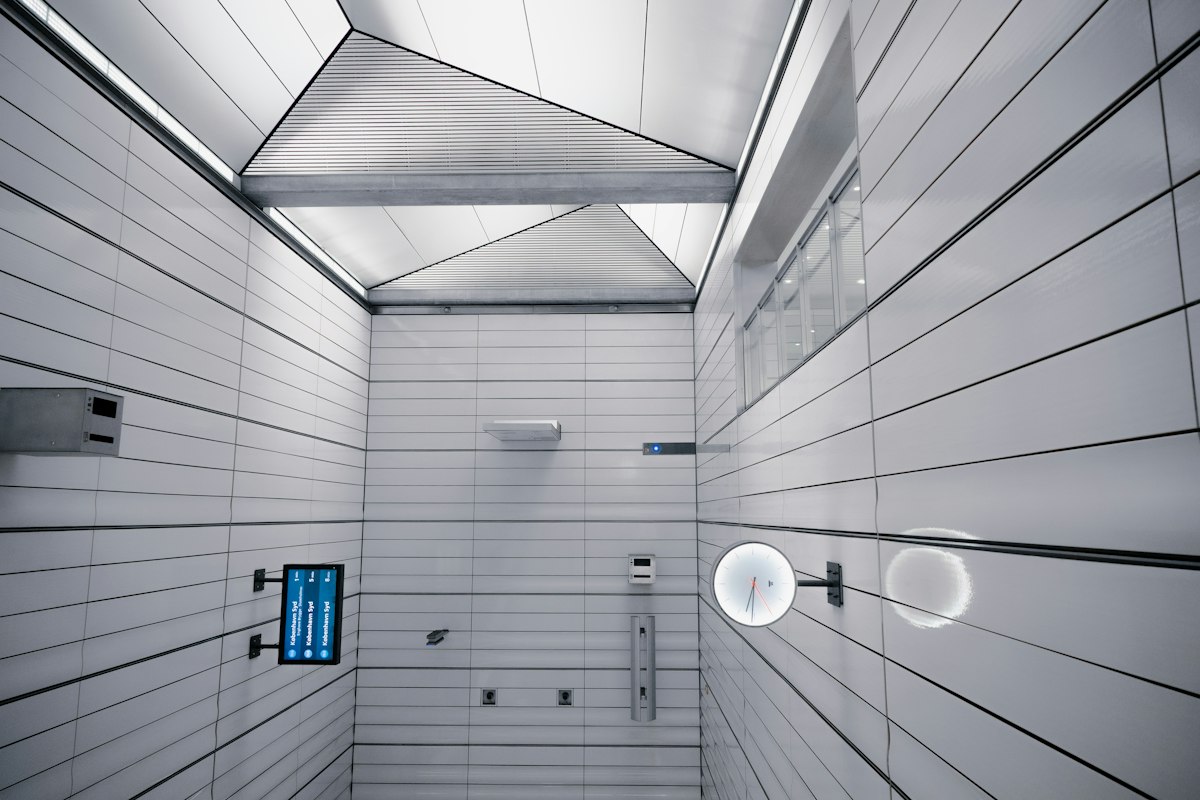
Smart Interior Solutions: The Benefits of a Polyvinyl Chloride Ceiling
Homeowners and property managers often face the same recurring headache: ceiling maintenance. Traditional materials like plasterboard or wood look great initially but succumb to moisture, mold, and the inevitable need for repainting. If you are dealing with damp bathrooms or high-traffic commercial spaces, you need a surface that stays pristine without constant intervention. The search for a durable, aesthetically pleasing, and cost-effective alternative frequently leads to the same conclusion.
The polyvinyl chloride ceiling has emerged as a powerhouse in the interior design world for these exact reasons. It is no longer just a functional choice for industrial warehouses; modern manufacturing has turned these panels into stylish, versatile elements suitable for high-end residential projects. This discussion explores the practical advantages of these synthetic panels and why they are disrupting traditional renovation methods in both domestic and professional settings.
Related posts
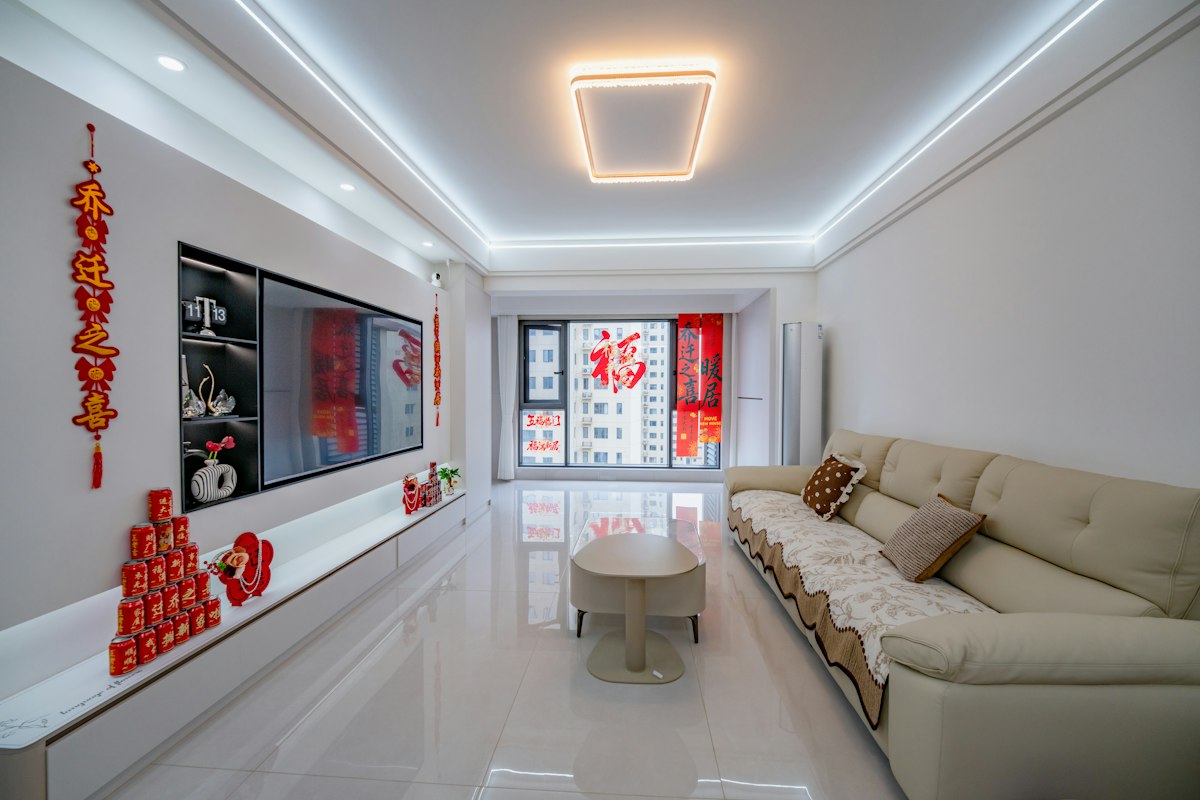
Elegant Gypsum Board Design Simple Approaches for Modern Homes
Homeowners often feel overwhelmed by the sheer variety of interior design options available today. When it comes to...
Read more →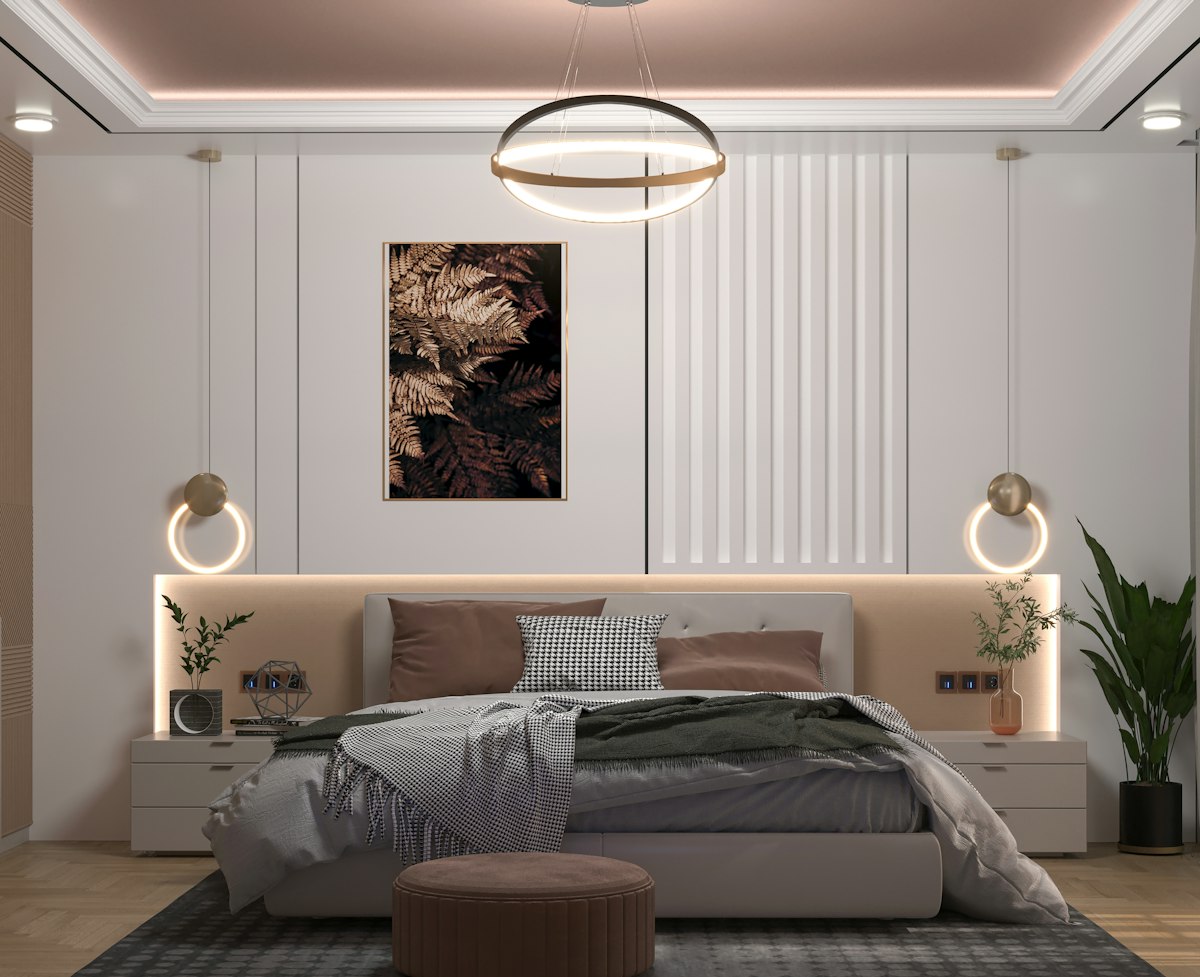
Transforming Your Bedroom with Elegant PVC Ceiling Designs
Your bedroom ceiling often goes unnoticed, a blank canvas above your most personal space. Yet, it holds immense...
Read more →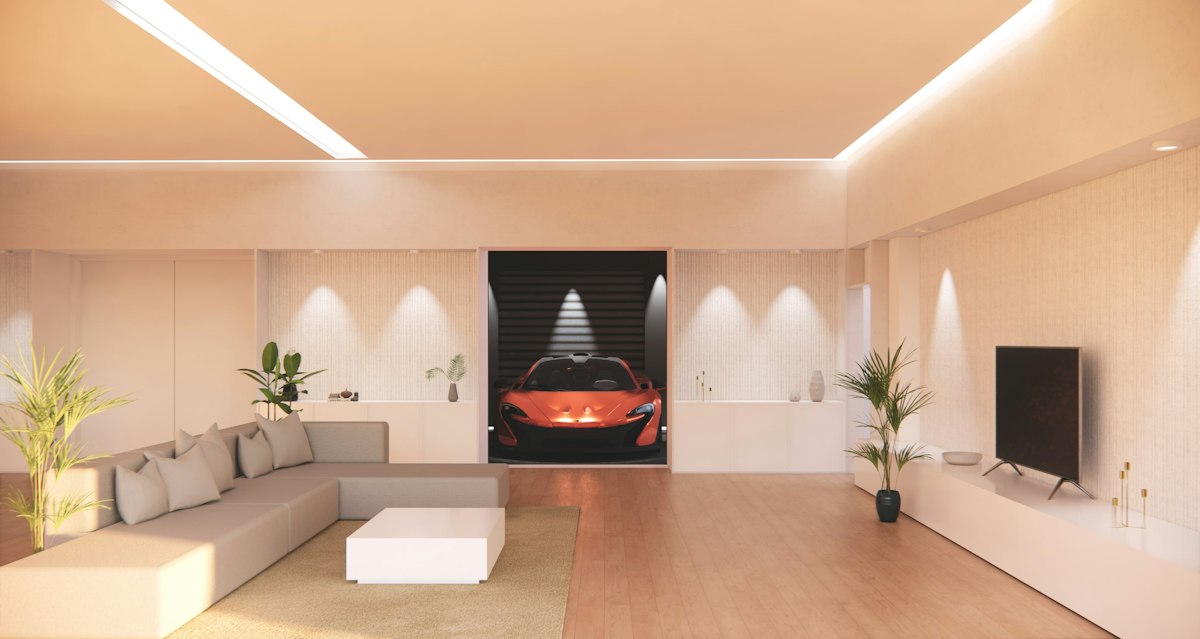
Reflecting on Stretch Light Ceiling Expenses
Considering a stretch light ceiling for your home or business? This design choice promises sleek aesthetics and dynamic...
Read more →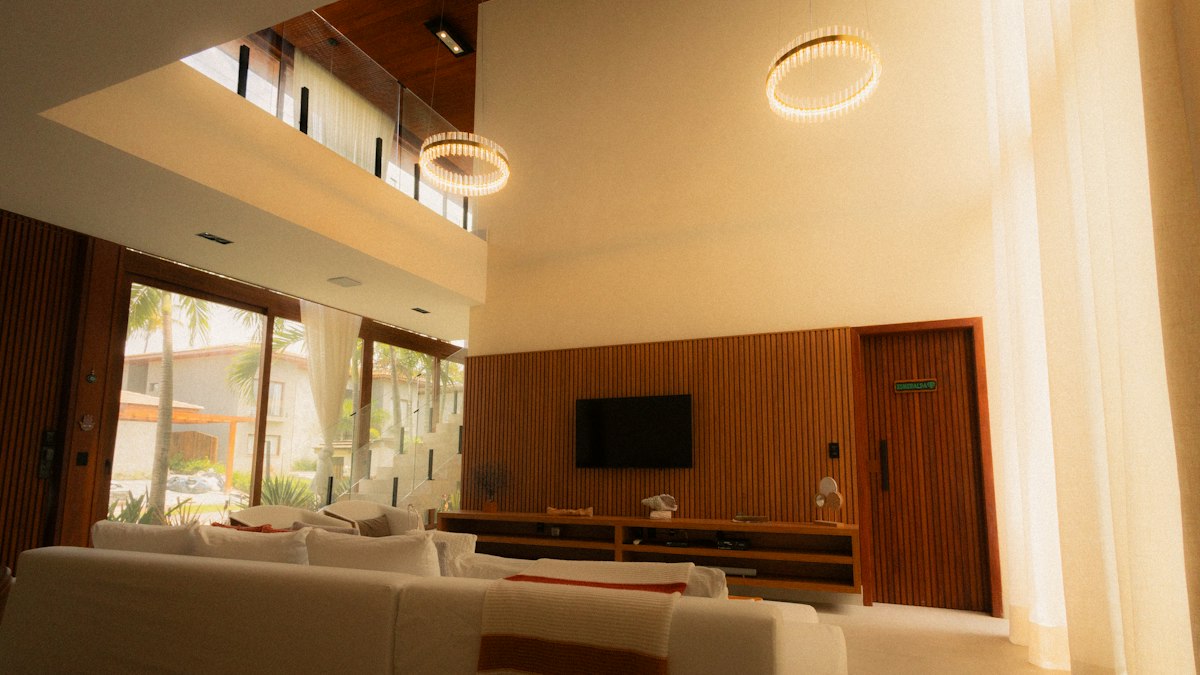
Crafting Distinctive Spaces with PVC Ceiling Designs
When you envision a room, the ceiling often gets overlooked, yet it’s a vast canvas with immense potential....
Read more →We will examine the technical properties of the material, from its legendary water resistance to its lightweight nature that simplifies the installation process. You will find comparisons against standard materials and advice on selecting the right finish for your specific environment. Whether the goal is a full-scale renovation or simply fixing a problematic laundry room, understanding the nuances of these panels is the first step toward a long-lasting result.
By moving away from porous materials, you eliminate the risk of water staining and rot. This shift toward synthetic polymers represents a logical progression in building science, where efficiency meets modern design. Let us look at the specific characteristics that make this material a top contender for your next interior project.
Key takeaways
- Total moisture resistance makes these panels ideal for bathrooms, kitchens, and basements.
- Low maintenance requirements eliminate the need for painting or regular sanding.
- The interlocking tongue-and-groove system significantly reduces labor time and costs.
- Diverse design options allow for wood-grain, metallic, or high-gloss finishes that mimic premium materials.
The Technical Advantage of Polyvinyl Chloride
At its core, a polyvinyl chloride ceiling panel is an engineered product designed for durability. Unlike heavy timber or brittle plaster, these panels feature a hollow-core structure. This internal ribbing provides structural integrity while keeping the weight minimal. This lightness is not just a benefit for the person installing them; it also reduces the load on the building's overhead framework.
The synthetic nature of the material means it is inherently non-porous. In environments where humidity levels fluctuate, such as a busy commercial kitchen or a family bathroom, traditional materials absorb water vapor. Over time, this leads to sagging and the growth of black mold. PVC panels remain completely unaffected by steam or direct water contact. This property makes them a hygienic choice, as the surface does not provide a breeding ground for bacteria or fungi.
Thermal and acoustic insulation are also improved by the hollow-core design. While not a replacement for dedicated insulation batting, the air trapped within the panels acts as an additional thermal barrier. This can help in maintaining more consistent indoor temperatures, potentially lowering energy costs in smaller, enclosed rooms.
Design Versatility for Modern Spaces
One common misconception is that synthetic ceilings look "cheap" or industrial. Modern printing and embossing technologies have changed this perception entirely. Today, you can find panels that replicate the look of natural oak, brushed aluminum, or polished marble. The visual variety allows for creative freedom without the high price tag of the authentic materials they mimic.
For a minimalist, contemporary look, high-gloss white panels are a popular choice. They reflect light efficiently, making small or dark rooms feel significantly larger and brighter. If you prefer a more rustic atmosphere, matte wood-grain finishes provide the warmth of timber without the risk of warping or termite damage. Many designers now use these panels to create feature walls that transition seamlessly into the ceiling, creating a cohesive architectural flow.
Choosing the Right Finish
When selecting your panels, consider the lighting in the room. High-gloss finishes are excellent for areas with limited natural light but can sometimes create unwanted glare if you have many direct spotlights. Matte or satin finishes are more forgiving and provide a softer, more sophisticated appearance in well-lit living areas. Texture also plays a role; some panels feature V-grooves that emphasize the individual planks, while others are designed to be nearly seamless for a smooth, monolithic look.
Installation Efficiency and Cost Factors
The financial appeal of a polyvinyl chloride ceiling extends beyond the initial purchase price. The primary saving is found in the speed of installation. Most panels utilize a tongue-and-groove interlocking system. This allows the panels to slot together quickly, hiding the fasteners and creating a clean finish. Because the material is easy to cut with standard hand tools, there is very little waste and no messy dust compared to cutting drywall.
In terms of pricing, PVC panels are generally more affordable than high-quality timber cladding and competitive with moisture-resistant plasterboard once you factor in the cost of skimming and painting. The real ROI, however, is seen over the following five to ten years. There is no need to buy paint, no need to hire a professional for touch-ups, and no risk of expensive repairs due to a minor leak from the floor above.
For commercial property owners, the speed of installation means less downtime. A retail space or office can be updated overnight, avoiding the multi-day drying times associated with traditional wet trades. This makes it a favorite for businesses that need to remain operational during renovations.
Maintenance and Longevity
Maintaining a polyvinyl chloride ceiling is remarkably simple. Unlike painted surfaces that trap dust and can be stained by smoke or oils, PVC is wiped clean with a damp cloth and mild detergent. This is particularly useful in kitchens where airborne grease can accumulate on overhead surfaces. The color is usually integrated into the material or protected by a UV-resistant layer, meaning it will not yellow or fade over time.
The lifespan of these panels can easily exceed 20 years if they are not subjected to extreme physical impact. They are resistant to most household chemicals and do not require any specialized treatments or sealants. For those concerned about sustainability, it is worth noting that many PVC ceiling products are now 100% recyclable, allowing the material to be repurposed at the end of its life cycle rather than ending up in a landfill.
FAQ
Is it possible to install these panels over an existing ceiling?
Yes, this is one of the most common applications. As long as the existing structure is sound, you can fix a timber or metal brandering grid directly to the old ceiling and then attach the PVC panels to that grid. This avoids the mess of ripping out old plaster and can even help hide unsightly cracks or uneven surfaces.
Are polyvinyl chloride ceilings safe in the event of a fire?
Quality PVC panels are manufactured with fire-retardant additives. They typically have a "Class B" or "Class 1" fire rating, meaning they do not easily ignite and are self-extinguishing once the flame source is removed. However, always check the specific fire rating of the product you are purchasing to ensure it meets local building codes for your specific room type.
What is the best way to clean the panels?
A simple solution of warm water and a non-abrasive liquid soap is usually sufficient. Avoid using harsh chemical cleaners, scouring pads, or solvent-based products, as these can dull the finish or damage the printed design layer. A soft microfiber cloth is ideal for maintaining the shine on high-gloss panels.
Can I use standard LED recessed lights with PVC?
Yes, but there is a technical consideration. While the panels can handle the heat from modern LED bulbs, you should ensure the light fixtures are supported by the framework above the panel rather than the panel itself. Using low-heat LED bulbs is highly recommended to prevent any localized warping over long periods of use.
Do the panels have a strong chemical odor?
New panels may have a very slight "new car" scent immediately after unboxing, but this dissipates rapidly once installed. High-quality panels are designed to be low-VOC (Volatile Organic Compounds), ensuring that they do not compromise the indoor air quality of your home or office.
Conclusion
The polyvinyl chloride ceiling represents a practical marriage of form and function. By solving the age-old problems of moisture damage and high maintenance, it offers a reliable alternative to traditional materials that often fail in demanding environments. Whether you are looking for a sleek, modern aesthetic or a cost-effective way to refresh a tired room, these panels provide a versatile solution that stands the test of time. Investing in PVC is not just about the immediate visual upgrade; it is about choosing a long-term, hassle-free ceiling that allows you to focus on enjoying your space rather than maintaining it.