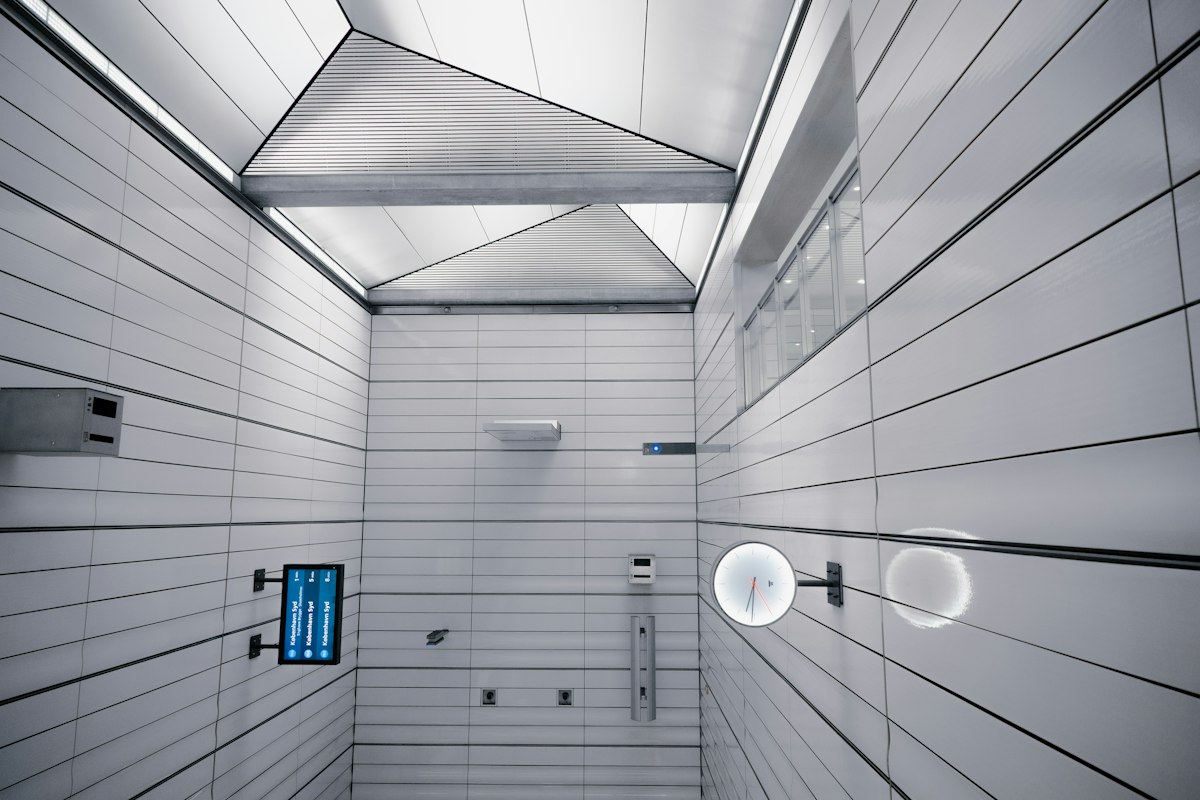
PVC Ceiling Panels: Durability Meets Modern Design
Imagine looking up at your ceiling and seeing water stains, peeling paint, or fine cracks for the third time in five years. It is a common headache for homeowners dealing with traditional plasterboard or wood in high-moisture areas. These conventional materials often look great initially but struggle to maintain their integrity in humid environments or rooms prone to temperature shifts. This is where modern building materials change the game, offering solutions that prioritize both longevity and aesthetics.
The move toward PVC ceiling panels represents a shift in interior design focused on practicality. Gone are the days when plastic finishes looked cheap or out of place. Today, high-quality finishes and advanced printing technologies allow these panels to mimic expensive wood, marble, or polished concrete while providing a level of protection that traditional materials simply cannot match. Whether you are renovating a damp bathroom or looking for a sleek finish in a commercial space, understanding the nuances of this material is essential.
Related posts
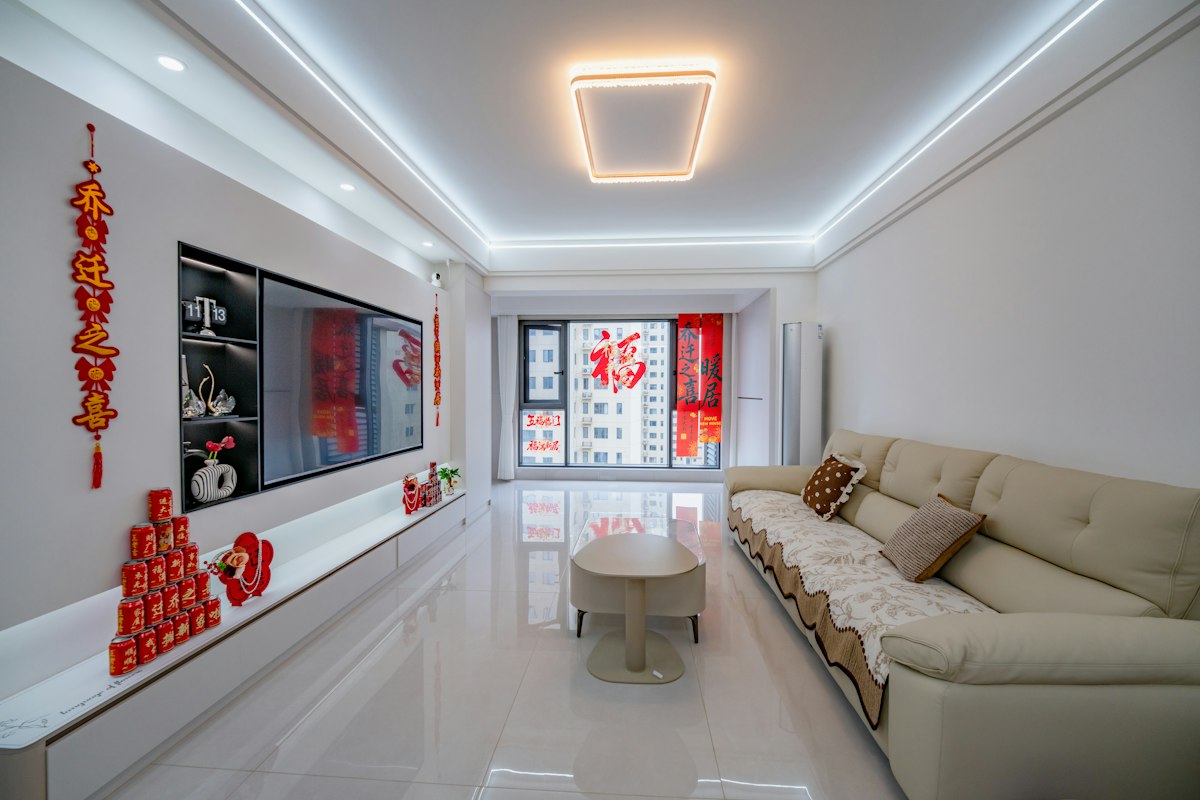
Elegant Gypsum Board Design Simple Approaches for Modern Homes
Homeowners often feel overwhelmed by the sheer variety of interior design options available today. When it comes to...
Read more →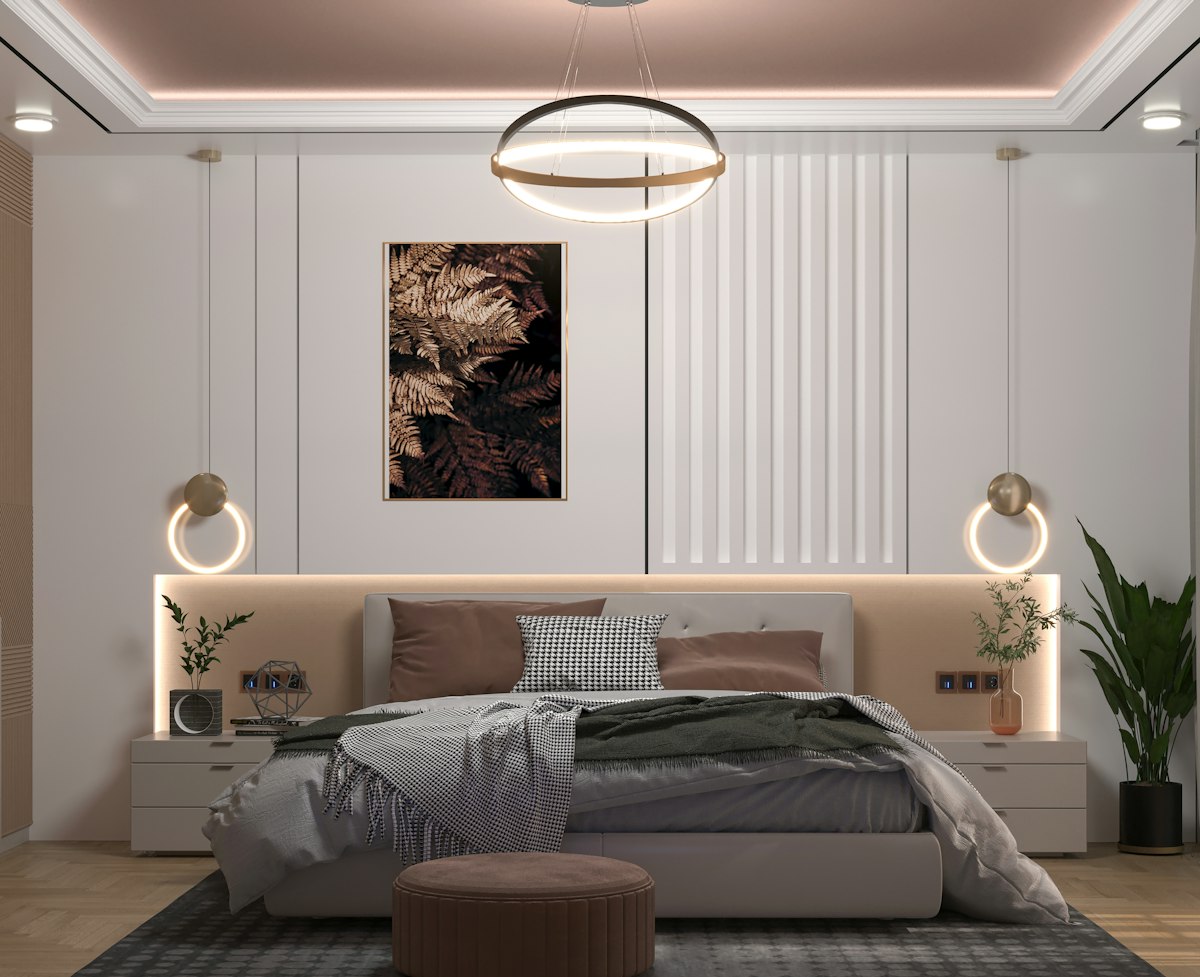
Transforming Your Bedroom with Elegant PVC Ceiling Designs
Your bedroom ceiling often goes unnoticed, a blank canvas above your most personal space. Yet, it holds immense...
Read more →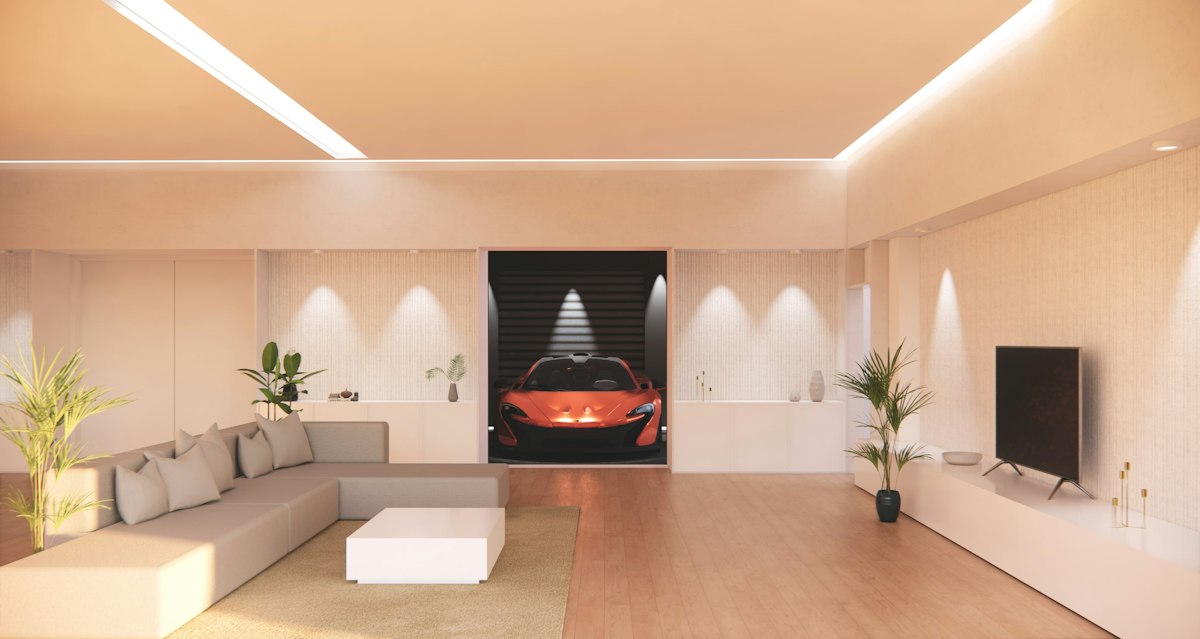
Reflecting on Stretch Light Ceiling Expenses
Considering a stretch light ceiling for your home or business? This design choice promises sleek aesthetics and dynamic...
Read more →
Smart Interior Solutions: The Benefits of a Polyvinyl Chloride Ceiling
Homeowners and property managers often face the same recurring headache: ceiling maintenance. Traditional materials like plasterboard or wood...
Read more →This discussion covers the structural benefits, aesthetic varieties, and practical installation factors that make these panels a top choice for modern interiors. We will examine why they are replacing older methods, look at the cost-benefit ratio, and identify the best environments for their application. By the end, you will have a clear picture of whether this solution fits your specific renovation goals and budget.
Key takeaways
- Moisture Resistance: PVC is 100% waterproof, making it the ideal choice for bathrooms, kitchens, and basements.
- Low Maintenance: Unlike plaster, these panels never require painting and can be cleaned with a simple damp cloth.
- Cost-Efficiency: The interlocking system reduces labor time and eliminates the need for messy finishing work like sanding or taping.
- Design Versatility: Available in a vast array of colors, textures, and patterns, including high-gloss and matte finishes.
The Evolution of PVC Ceiling Panels
For decades, gypsum board and plaster were the industry standards for residential ceilings. While they offer a smooth finish, they are inherently porous. In environments like a bathroom or a kitchen, steam and humidity eventually seep into the core of these materials, leading to mold growth and structural sagging. PVC ceiling panels were developed specifically to address these vulnerabilities. Made from Polyvinyl Chloride, these panels are non-porous and chemically inert, meaning they do not react with water or oxygen in a way that causes decay.
Modern manufacturing has refined the look of these panels significantly. The "plastic" look of the 1990s has been replaced by sophisticated textures. You can now find panels with 3D grain patterns that feel like real timber or seamless high-gloss white panels that create a reflective, spacious feel in smaller rooms. The internal structure is usually a hollow-core honeycomb design, which keeps the panels incredibly lightweight while maintaining rigidity and providing a small degree of thermal and acoustic insulation.
Functional Benefits for Real-World Use
One of the most significant advantages of choosing PVC ceiling panels is the sheer speed of transformation. Traditional ceiling repairs involve messy demolition, heavy lifting, multiple coats of joint compound, and days of drying time. In contrast, these panels use a tongue-and-groove interlocking system. They can often be installed directly over existing surfaces or onto a simple timber or metal brandering frame. This means a room can be completely finished in a single day without the fine white dust associated with drywall sanding.
Hygiene is another area where these panels excel. In commercial kitchens or medical facilities, surfaces must be easy to sanitize. Because PVC panels are non-absorbent and have fewer seams than traditional tiling, they do not provide a breeding ground for bacteria or fungus. For a homeowner, this translates to a ceiling that stays white and bright for years without the yellowing often seen in painted surfaces exposed to cooking oils or smoke.
Comparing PVC and Gypsum
When weighing your options, it is helpful to look at the long-term performance. Gypsum is cheaper as a raw material, but the labor costs for finishing (plastering, sanding, and painting) often bridge the price gap. Furthermore, if a pipe leaks above a gypsum ceiling, the entire section usually needs to be cut out and replaced. With a PVC system, you can often remove individual panels to access plumbing or wiring and then click them back into place without leaving a trace of the repair.
Design Styles and Aesthetic Choices
Choosing the right look for your space involves more than just picking a color. The finish of the panel dictates the mood of the room. High-gloss panels are popular in bathrooms because they reflect light, making small, windowless spaces feel brighter and more open. Matte finishes offer a more understated, contemporary look that fits well in living areas or bedrooms where you want to avoid glare from overhead lighting.
For those who prefer a natural aesthetic, wood-grain PVC panels have become remarkably realistic. They provide the warmth of a timber ceiling without the risk of warping or termite damage. Some premium ranges even include "V-groove" joints that create a plank-effect look, perfect for rustic or coastal interior themes. Additionally, many panels come with integrated silver or chrome strips between the joints, adding a touch of modern flair and breaking up the visual expanse of the ceiling.
Installation and Practical Considerations
While the process is straightforward, attention to detail ensures a professional result. The panels are typically fastened using staples, screws, or specialized adhesive. If the existing ceiling is level, direct bonding is an option. However, most professionals prefer building a sub-frame. This creates a small cavity that is perfect for tucking away electrical conduits and installing recessed LED downlights. PVC is easy to cut with a fine-toothed saw or even a sharp utility knife, allowing for precise holes for vents and fixtures.
It is important to note that while PVC is fire-retardant and will usually self-extinguish when the heat source is removed, it is not suitable for use in areas with extreme heat, such as directly above a high-output wood stove without proper shielding. Always check the fire rating of the specific panels you are purchasing to ensure they meet local building codes for your specific application.
Cost and Value Analysis
Pricing for PVC ceiling panels varies based on the thickness of the panel and the complexity of the print. Standard 6mm to 8mm panels are highly affordable and offer excellent value for utility spaces. Premium 10mm panels provide more impact resistance and better sound dampening. While the initial investment might be slightly higher than the cheapest grade of drywall, the lack of ongoing maintenance costs—no repainting every three years—means the panels usually pay for themselves within a decade.
Frequently Asked Questions
Are PVC ceiling panels safe for residential use?
Yes, modern PVC panels are manufactured to strict safety standards. They are lead-free and designed to be fire-retardant. They do not off-gas significantly after the initial installation and are considered a stable, safe material for indoor environments, including bedrooms and kitchens.
Can I install LED downlights in PVC panels?
Absolutely. PVC panels are excellent for recessed lighting. Because the panels are easy to cut, you can create perfect circular openings for your fixtures. However, it is recommended to use LED bulbs rather than old-fashioned halogen bulbs, as LEDs generate much less heat, ensuring the longevity of the panel around the fixture.
How do I clean and maintain the panels?
Maintenance is minimal. For general dust, a dry microfiber cloth works well. For kitchens where grease might accumulate, use a mild solution of dish soap and warm water. Avoid using abrasive scouring pads or harsh chemical solvents, as these can scratch the printed surface or dull the gloss finish.
Do these panels provide any insulation?
The hollow-core structure of the panels creates a small air gap that provides a minor degree of thermal insulation. While they are not a replacement for dedicated attic insulation, they can help keep a room slightly warmer in winter and cooler in summer by reducing heat transfer through the ceiling surface.
Will the colors fade over time?
High-quality PVC panels are treated with UV stabilizers to prevent yellowing or fading. When used indoors, the color and finish are designed to last for 15 to 20 years without noticeable degradation. They are much more color-fast than traditional ceiling paint, which tends to dull or discolor due to environmental factors.
Conclusion
PVC ceiling panels offer a compelling combination of durability, style, and ease of use that traditional materials struggle to match. By eliminating the need for constant repainting and providing a 100% waterproof barrier, they solve the most common issues faced by homeowners and property managers alike. Whether you are aiming for a high-end marble look or a simple, clean white finish, these panels provide a professional result with minimal mess. As you plan your next interior update, consider the long-term savings and peace of mind that come with a ceiling designed to withstand the elements of daily life.