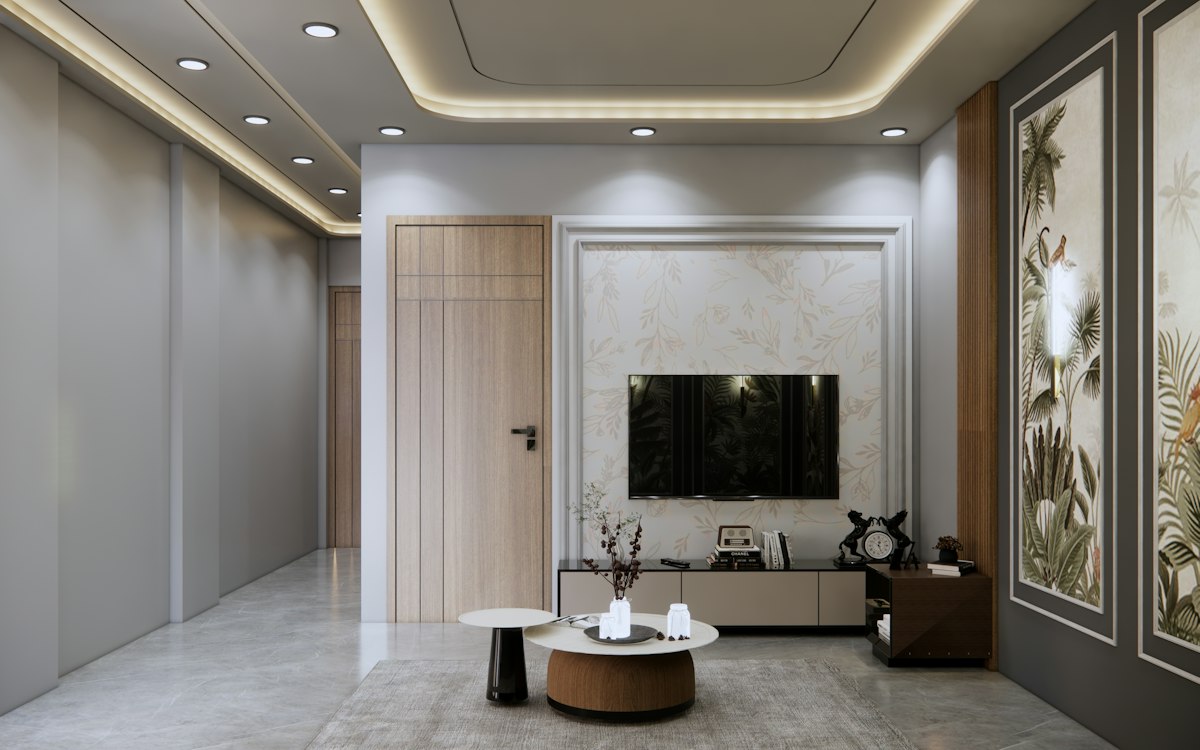
Trendy PVC False Ceiling Design Ideas for Modern Homes
Choosing the right overhead finish often feels like an afterthought in home renovation. Most people focus on the walls and flooring, leaving the ceiling as a plain, white expanse of plaster. However, the ceiling acts as a massive blank canvas that can define the entire mood of a room. If you are tired of the same old flat surfaces and want a solution that combines durability with high-end style, a PVC false ceiling design might be the exact upgrade your space requires.
Polyvinyl Chloride, or PVC, has transitioned from being a purely industrial material to a favorite among interior designers. It offers a unique blend of flexibility and resilience that traditional materials like gypsum or Plaster of Paris (POP) simply cannot match. Whether you are dealing with a damp bathroom environment or a living room that needs a contemporary face-lift, these panels provide a versatile solution. This article explores the various styles, benefits, and practical considerations involved in selecting the perfect overhead panels for your property.
Related posts
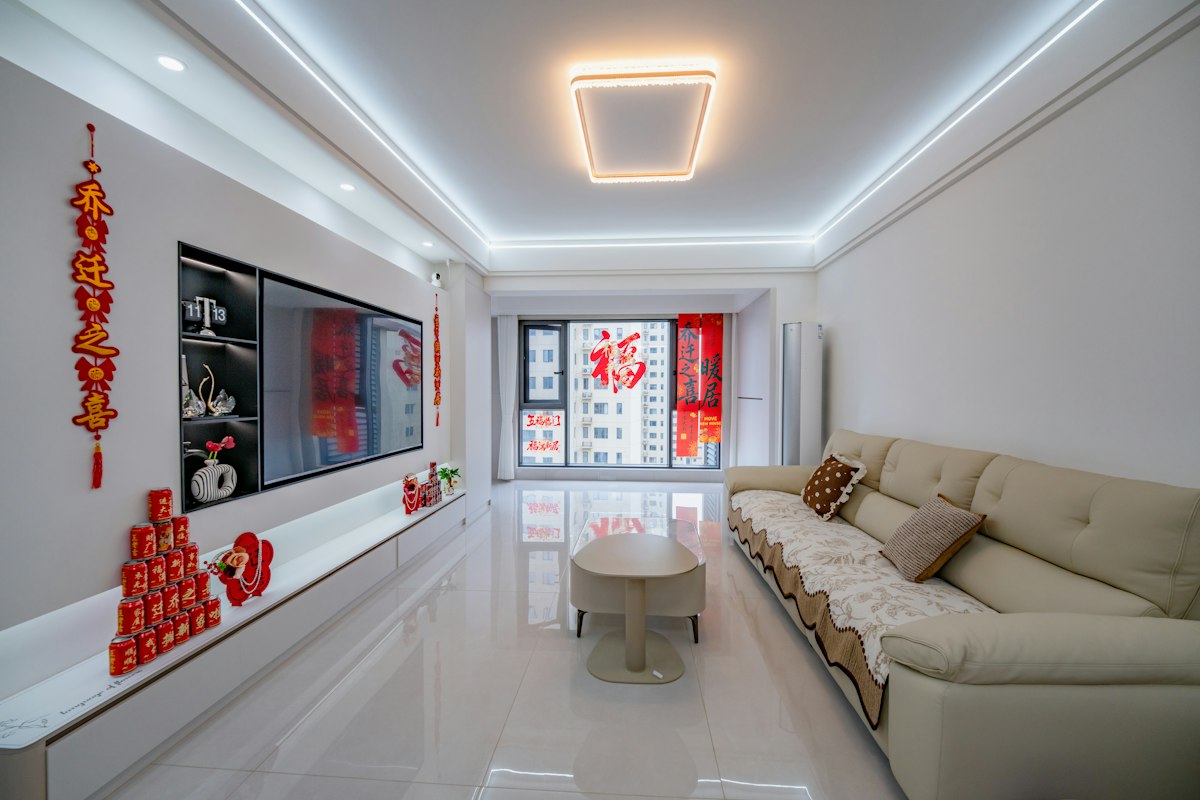
Elegant Gypsum Board Design Simple Approaches for Modern Homes
Homeowners often feel overwhelmed by the sheer variety of interior design options available today. When it comes to...
Read more →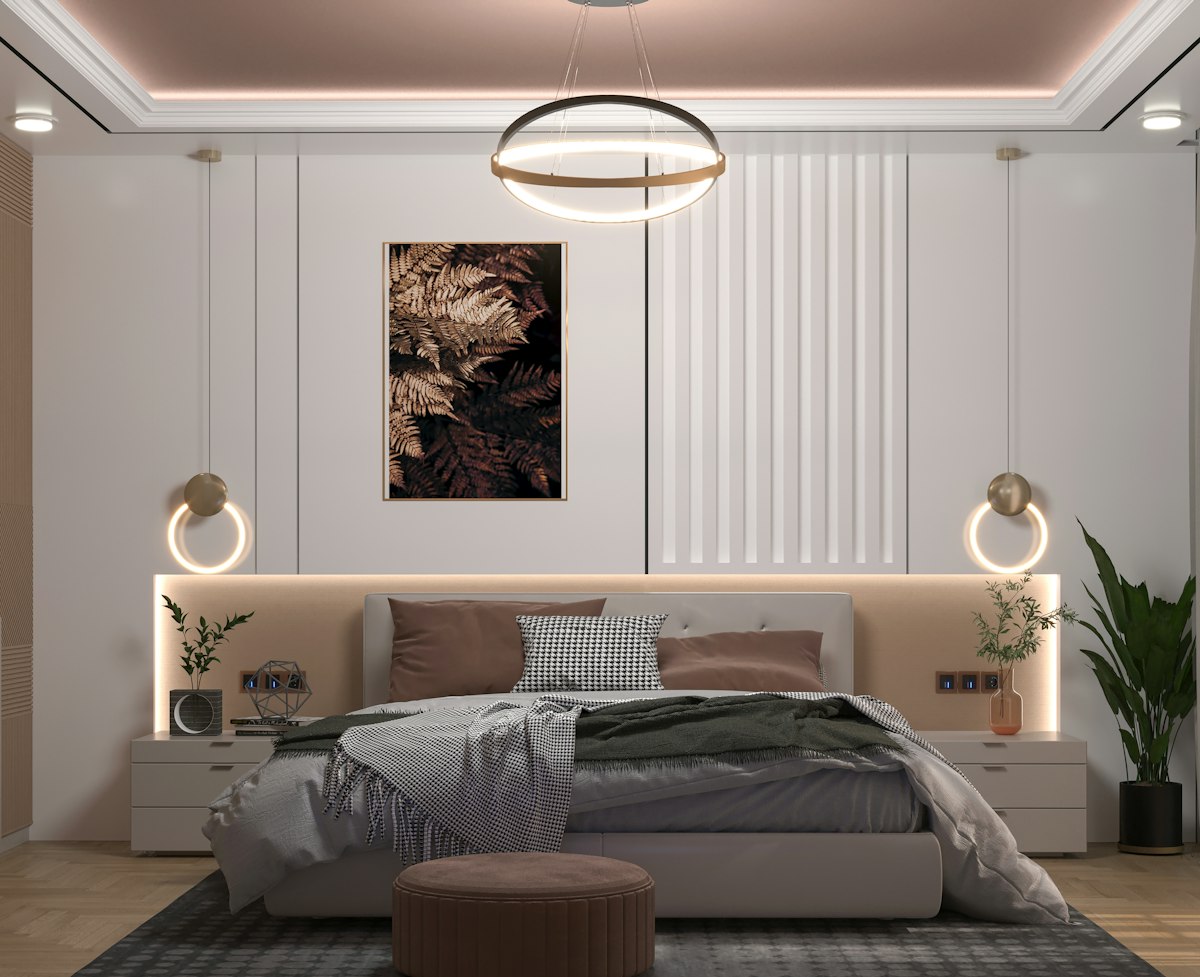
Transforming Your Bedroom with Elegant PVC Ceiling Designs
Your bedroom ceiling often goes unnoticed, a blank canvas above your most personal space. Yet, it holds immense...
Read more →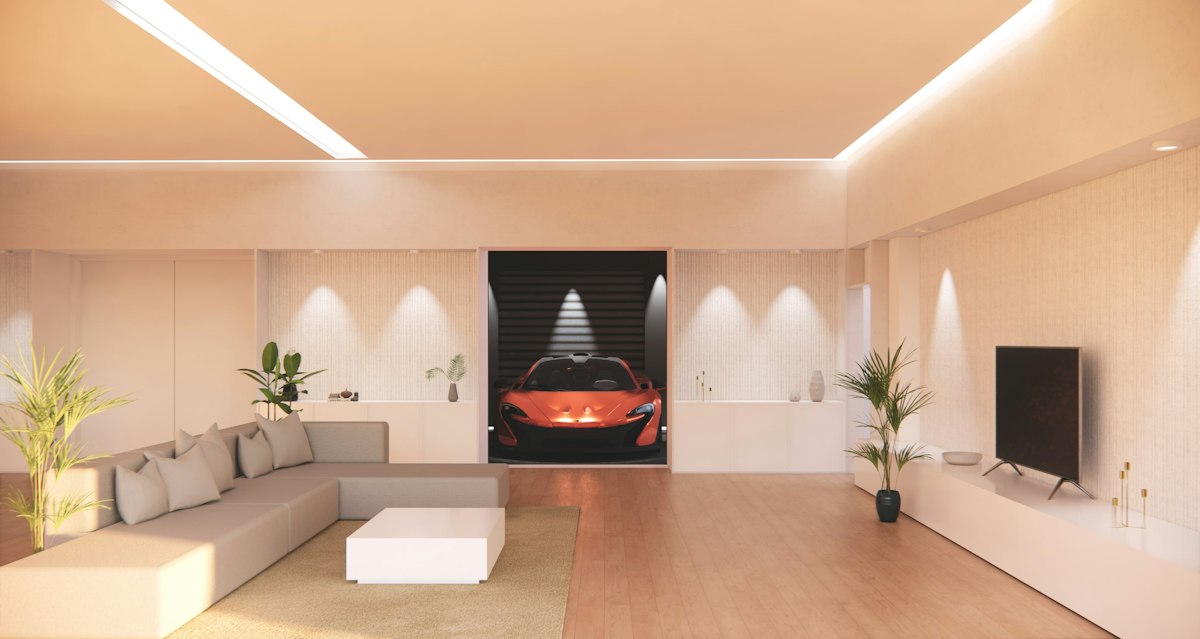
Reflecting on Stretch Light Ceiling Expenses
Considering a stretch light ceiling for your home or business? This design choice promises sleek aesthetics and dynamic...
Read more →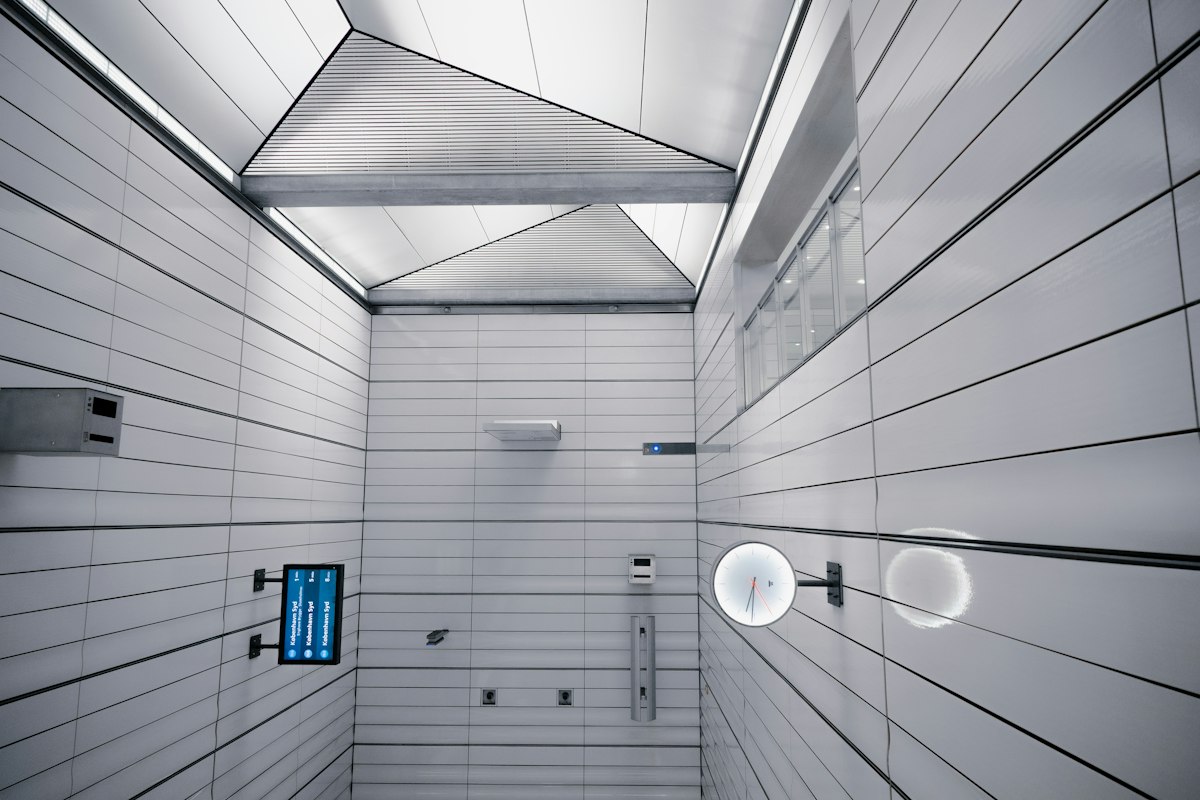
Smart Interior Solutions: The Benefits of a Polyvinyl Chloride Ceiling
Homeowners and property managers often face the same recurring headache: ceiling maintenance. Traditional materials like plasterboard or wood...
Read more →The decision to switch to PVC often stems from a desire for longevity and ease of maintenance. Unlike traditional ceilings that might crack over time or suffer from water stains, PVC remains unaffected by moisture and requires very little upkeep. We will examine the different textures available, from realistic wood grains to sleek metallic finishes, and explain why this material is becoming the go-to choice for homeowners looking for both value and aesthetics. By the end of this discussion, you will have a clear understanding of the design possibilities and the technical advantages of this modern material.
Beyond just the looks, there are significant practical advantages to consider. From thermal insulation to the seamless integration of modern lighting systems, PVC panels serve multiple purposes. We will break down the cost factors and the installation requirements to help you decide if this is the right path for your next interior project. Let us look at the specifics of what makes these designs a smart investment for any modern household.
Key takeaways
- Moisture Resistance: PVC is naturally waterproof, making it the superior choice for kitchens and bathrooms where humidity is high.
- Low Maintenance: These surfaces are incredibly easy to clean with a simple damp cloth and do not require periodic painting or polishing.
- Design Variety: Available in a massive range of colors, patterns, and textures, including finishes that mimic natural wood and stone.
- Cost-Efficiency: Compared to high-end wood or intricate POP work, PVC offers a high-end look at a much more accessible price point.
The Aesthetic Appeal of PVC False Ceiling Design
The beauty of using PVC panels lies in their incredible variety. In the past, plastic ceilings were associated with cheap, glossy finishes found in offices. That is no longer the case. Modern manufacturing techniques allow for textures that are indistinguishable from natural materials. You can find panels that replicate the warmth of oak, the ruggedness of slate, or the clean lines of brushed aluminum. This variety allows you to create a specific atmosphere without the heavy cost of the actual raw materials.
One popular trend involves using louvered panels. These create a series of linear grooves that add depth and a sense of rhythm to a room. When installed in a living area, they can make the space feel longer or wider depending on the direction of the panels. Another favorite is the coffered look. By layering PVC panels at different heights, you can achieve a traditional, recessed appearance that adds architectural interest to an otherwise flat room. This layered approach is perfect for hiding structural beams or uneven ceiling heights.
For those who prefer a minimalist aesthetic, seamless PVC panels offer a smooth, continuous surface. These panels lock together with a tongue-and-groove system that hides the joints, resulting in a clean finish that looks like a high-quality paint job but with added durability. You can also experiment with backlit designs. Because PVC is lightweight, it is easy to create cut-outs or use translucent panels that allow LED strips to glow from behind, creating a soft, ambient light that is perfect for bedrooms or home theaters.
Practical Benefits Over Traditional Materials
When comparing PVC to gypsum or POP, the differences in performance become apparent quickly. Gypsum is heavy and prone to cracking if the building settles. POP is messy to install and requires significant drying time. PVC, on the other hand, is lightweight and can be installed in a fraction of the time. The panels are pre-finished, meaning there is no need for sanding, priming, or painting once they are in place. This reduces labor costs and keeps your home free of the dust associated with traditional construction.
The waterproof nature of PVC is perhaps its greatest strength. In areas like the kitchen, where steam and grease are constant, or in bathrooms with high humidity, traditional ceilings often peel or develop mold. PVC panels are non-porous. This prevents the growth of fungi and bacteria, ensuring a healthier environment for your family. If a leak occurs in the pipes above, the panels can often be removed, cleaned, and reinstalled once the leak is fixed, whereas gypsum would likely need complete replacement.
Thermal and acoustic insulation are additional perks. Many PVC panels are designed with a hollow core that traps air, acting as a natural insulator. This helps in maintaining a consistent room temperature, potentially lowering your energy bills for heating and cooling. While not a complete soundproofing solution, the extra layer does help in dampening noise from floors above, making your living space quieter and more private.
Integration of Lighting and Ventilation
A significant part of a successful PVC false ceiling design is the way it handles utilities. The space between the original ceiling and the PVC panels, known as the plenum, is the perfect place to hide unsightly wiring, AC ducts, and plumbing. This allows for a much cleaner look in the room below. Installing recessed spotlights or "can lights" is straightforward with PVC. The material is easy to cut with precision, allowing for a snug fit for any lighting fixture.
Magnetic track lighting is another modern option that pairs beautifully with PVC. Because the panels are sturdy enough to support lightweight tracks, you can create a flexible lighting system that can be adjusted as your furniture layout changes. For ventilation, exhaust fans and AC vents can be integrated seamlessly into the design. Designers often use contrasting colors for the panels surrounding these fixtures to turn a functional necessity into a design feature.
Consider the use of cove lighting around the edges of the ceiling. By leaving a small gap between the wall and the ceiling panels, you can tuck away LED strips that cast a gentle glow across the surface. This highlights the texture of the PVC and makes the ceiling appear to float, which adds a sense of height and luxury to the room. The reflective properties of certain PVC finishes can also help in bouncing light around the room, making dark spaces feel much brighter.
Cost Considerations and Budgeting
Pricing for a PVC false ceiling design typically depends on the quality of the panels and the complexity of the installation. Basic panels are very affordable, often costing less than a high-quality paint job when you factor in the longevity. Premium panels with 3D textures or realistic wood grains will carry a higher price tag, but they still remain competitive when compared to real wood paneling or intricate plaster work.
Labor costs are usually lower because the installation is fast. A standard-sized room can often be completed in a single day. It is important to account for the framing material as well. Most installers use a perimeter channel of galvanized iron (GI) to support the weight of the panels. While the panels themselves are inexpensive, using high-quality framing ensures the ceiling remains level and secure for decades. Always ask for a quote that includes both materials and labor to avoid hidden fees.
The long-term value is where PVC truly shines. Because the material does not fade, crack, or require repainting, the maintenance costs are virtually zero. When you consider the price of repainting a traditional ceiling every few years, the initial investment in PVC pays for itself quite quickly. It is a durable, set-and-forget solution that maintains its visual appeal with nothing more than an occasional dusting.
Maintenance and Care for PVC Panels
Keeping your ceiling looking new is a simple process. Unlike painted surfaces that can stain if you try to scrub them, PVC is incredibly resilient. For regular cleaning, a soft feather duster or a dry microfiber cloth is usually enough to remove dust and cobwebs. In kitchens where grease might accumulate, a mild solution of soap and water will cut through the residue without damaging the finish of the panels.
Avoid using abrasive cleaners or harsh chemicals like bleach, as these can dull the surface or damage the printed patterns on the panels. It is also wise to keep the panels away from direct, high-heat sources. While PVC is fire-retardant and will not support a flame, excessive heat from a poorly placed high-wattage bulb could cause the material to warp. Always use LED bulbs, which remain cool, to ensure the structural integrity of your ceiling design.
Frequently Asked Questions
Is a PVC false ceiling design safe for bedrooms?
Yes, it is perfectly safe. Modern PVC panels are manufactured to be lead-free and eco-friendly. They are fire-retardant and do not emit harmful fumes under normal room temperatures. Their ability to resist dust and mold also makes them a great choice for people with allergies.
What is the typical lifespan of these ceilings?
A well-installed PVC ceiling can easily last 15 to 20 years or more. Since the material is resistant to moisture, termites, and corrosion, it does not degrade the way wood or plaster does. The colors are also UV-stabilized in most high-quality brands, preventing fading over time.
Can PVC panels be used in outdoor areas like balconies?
Yes, they are excellent for semi-outdoor spaces like balconies, porches, or patios. Since they are waterproof, they handle the humidity and occasional splashes of rain without any issues. However, it is best to ensure they are not in constant, direct sunlight for many hours a day to prevent any potential heat-related expansion.
Are these panels strong enough to hold heavy chandeliers?
The panels themselves are not designed to support heavy weights. Any heavy light fixture or chandelier should be anchored directly into the original concrete slab or the primary metal framework, not the PVC panel itself. The panel is then cut to fit around the fixture's base for a clean look.
Do PVC ceilings help with room temperature?
The hollow-core structure of the panels provides a layer of air that acts as insulation. This can help keep a room slightly cooler in the summer and warmer in the winter by creating a thermal barrier between the roof and the living space.
Conclusion
Investing in a PVC false ceiling design is a practical way to elevate the look of your home while solving common maintenance issues. The combination of moisture resistance, ease of installation, and a vast array of stylistic choices makes it a superior alternative to traditional plaster and wood. Whether you want a sleek modern look or a rustic wood-finish feel, PVC provides the flexibility to achieve your vision without breaking the bank. By selecting high-quality panels and ensuring a professional installation, you can transform your ceilings into a stunning feature that remains beautiful and functional for years to come.