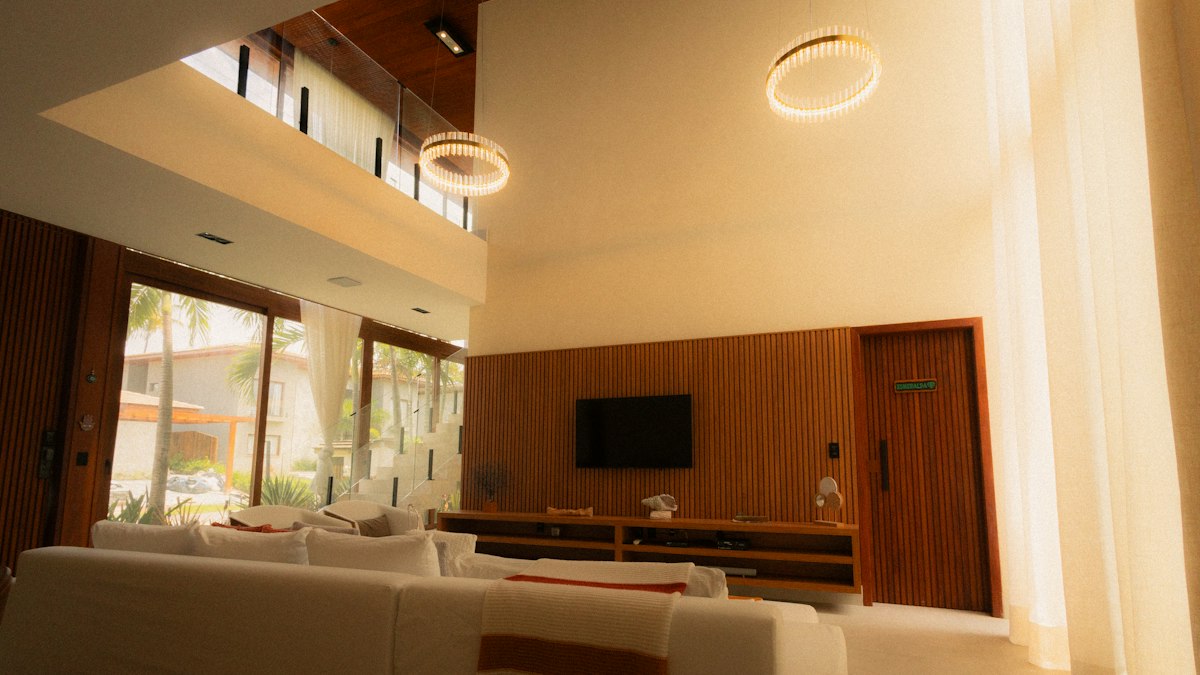
Elevating Interiors with Smart PVC Panel Ceiling Designs
When you look up, what do you see? For many, the ceiling is often an afterthought, a blank canvas that simply holds the lights. Yet, it possesses immense potential to transform a room, defining its character and setting its mood. An outdated or uninspired ceiling can detract from even the most thoughtfully decorated space, leaving it feeling incomplete or ordinary.
The challenge often lies in finding a ceiling solution that marries aesthetic appeal with practical benefits. Traditional options can be costly, messy to install, or lack the durability needed for high-traffic or moisture-prone areas. Homeowners and designers alike are constantly seeking materials that offer versatility, ease of maintenance, and a contemporary look without breaking the bank.
Related posts
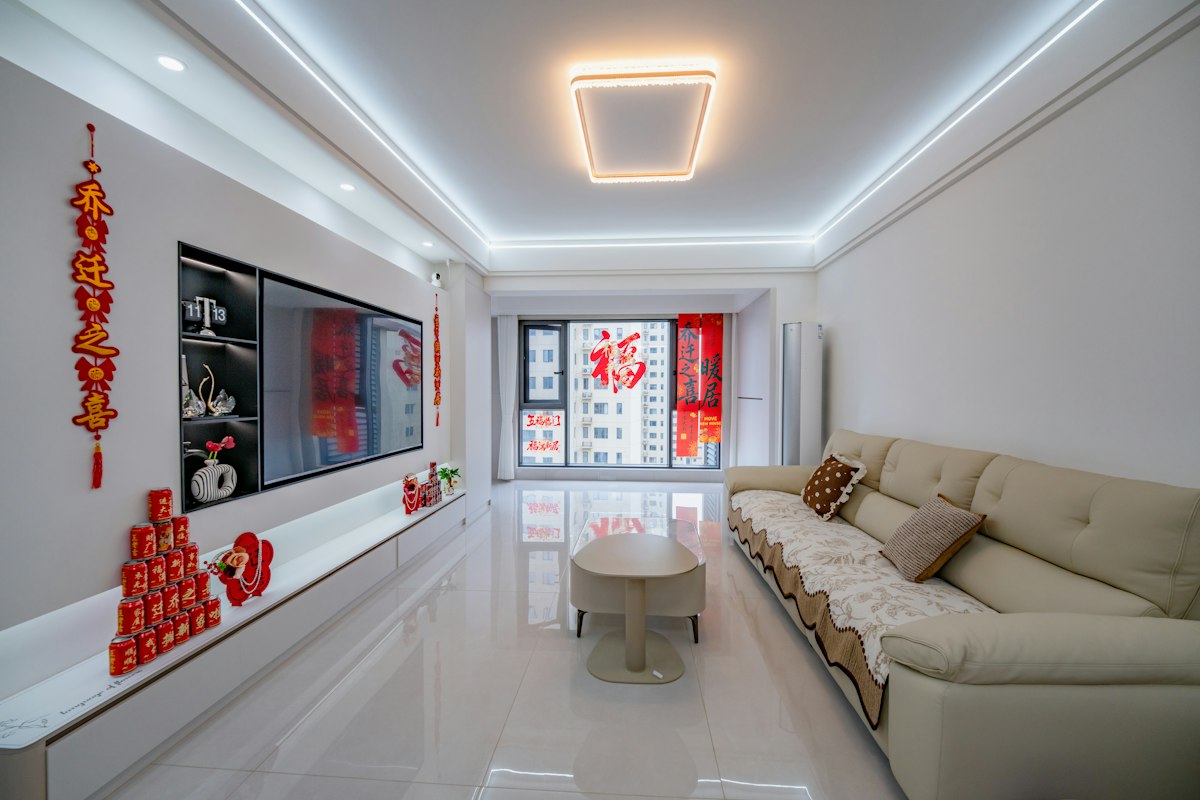
Elegant Gypsum Board Design Simple Approaches for Modern Homes
Homeowners often feel overwhelmed by the sheer variety of interior design options available today. When it comes to...
Read more →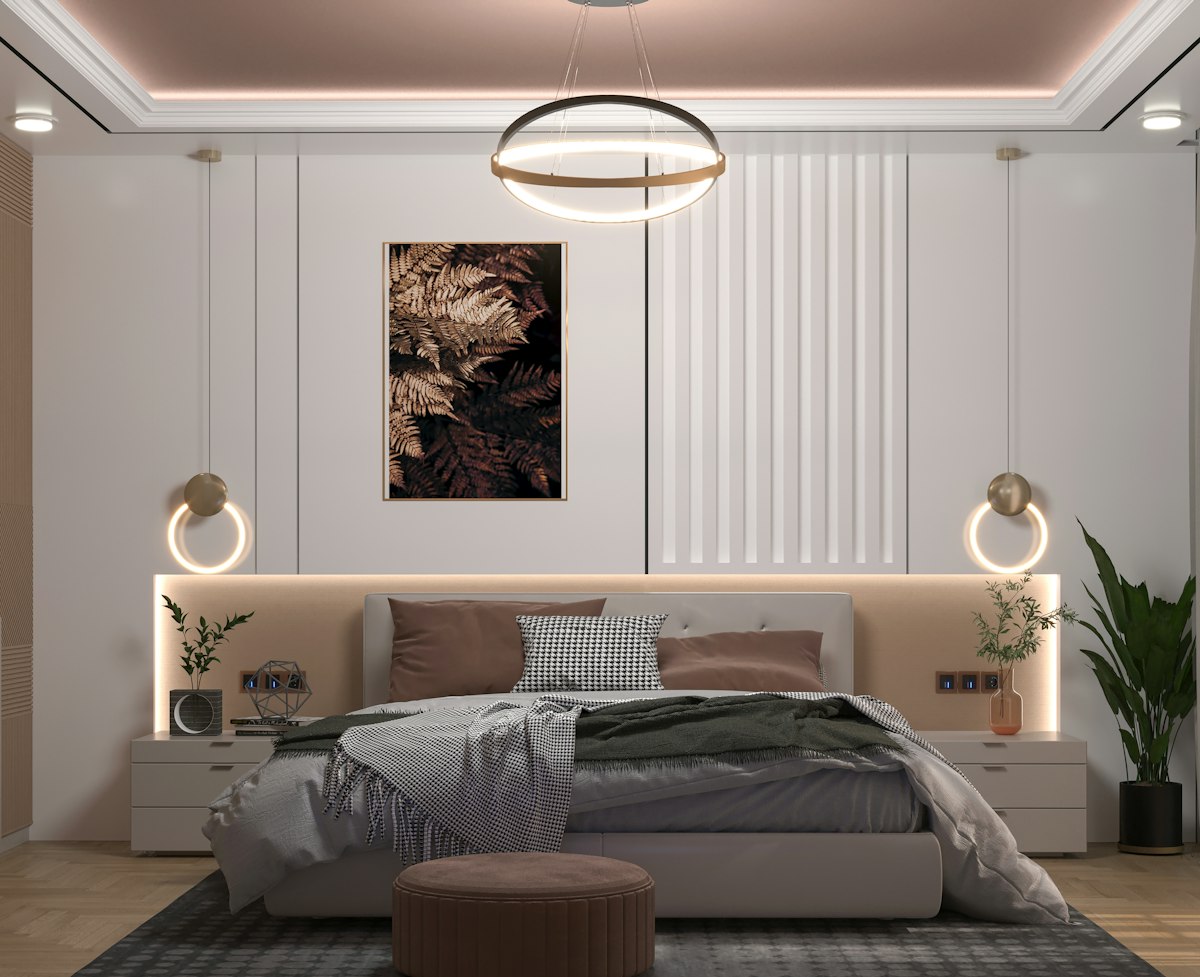
Transforming Your Bedroom with Elegant PVC Ceiling Designs
Your bedroom ceiling often goes unnoticed, a blank canvas above your most personal space. Yet, it holds immense...
Read more →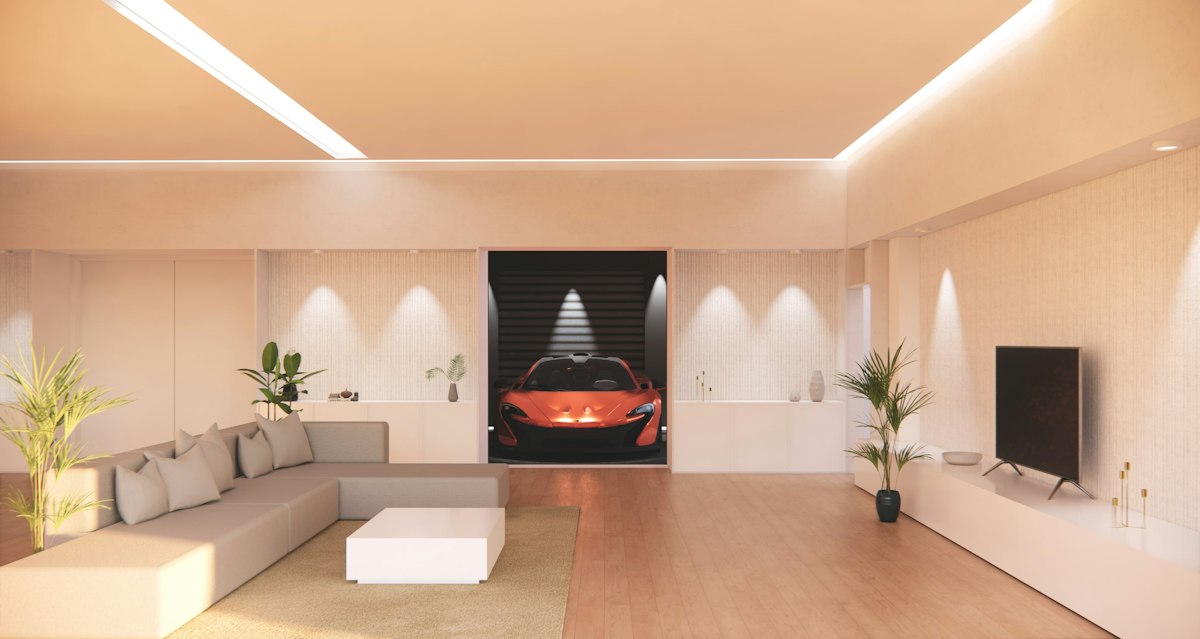
Reflecting on Stretch Light Ceiling Expenses
Considering a stretch light ceiling for your home or business? This design choice promises sleek aesthetics and dynamic...
Read more →
Smart Interior Solutions: The Benefits of a Polyvinyl Chloride Ceiling
Homeowners and property managers often face the same recurring headache: ceiling maintenance. Traditional materials like plasterboard or wood...
Read more →This is precisely where PVC panel ceiling designs step in as a compelling contender. Far from the utilitarian panels of the past, today's PVC options present a sophisticated range of finishes, textures, and installation methods that can dramatically enhance any interior. They offer a refreshing alternative, blending style with functionality in a way few other materials can.
This exploration will delve into the diverse world of PVC ceiling panels, uncovering their design potential, practical advantages, and what you need to consider to make an informed choice for your next project. Get ready to see your ceilings in a whole new light.
Key Takeaways
- PVC ceiling panels offer extensive aesthetic versatility, mimicking materials like wood, metal, and plaster with various finishes.
- They provide significant practical benefits, including water resistance, durability, easy maintenance, and quick installation.
- Successful design involves matching panel style to room function, exploring color and texture, and considering lighting integration.
- Evaluate cost factors, installation methods (DIY vs. professional), and environmental considerations to ensure a sound investment.
The Appeal of PVC Ceiling Panels
For years, PVC panels were largely associated with purely functional applications, often hidden away in utility rooms or commercial settings. However, advancements in manufacturing and design have propelled them into the forefront of modern interior aesthetics. They've shed their old image, emerging as a stylish and practical choice for virtually any room in the home or office.
Aesthetic Versatility
The range of design possibilities with PVC panels is surprisingly broad. You’re no longer limited to basic white. Manufacturers now offer panels that convincingly replicate the look of natural wood grains, elegant metallic finishes, subtle stone textures, and even intricate 3D patterns. This means you can achieve a high-end visual effect without the associated cost or maintenance demands of the original material. Imagine a ceiling that looks like rich mahogany or brushed aluminum, but is feather-light and impervious to moisture.
Beyond material mimicry, PVC panels come in various sizes and profiles, allowing for seamless, V-groove, or grid-compatible installations. This flexibility opens up creative avenues for linear designs, checkerboard patterns, or even custom layouts that draw the eye upwards and add architectural interest. The ability to integrate recessed lighting or other fixtures seamlessly further enhances their design potential, creating a truly polished finish.
Practical Benefits for Modern Living
Beyond their visual appeal, PVC ceiling panels deliver a host of practical advantages that make them a smart choice for contemporary spaces. Perhaps their most celebrated feature is their exceptional water resistance. Unlike drywall or wood, PVC panels are impervious to moisture, making them ideal for bathrooms, kitchens, basements, and other areas prone to humidity or spills. This resistance helps prevent mold and mildew growth, contributing to a healthier indoor environment.
Furthermore, PVC panels are remarkably durable and lightweight. They resist warping, cracking, and chipping, ensuring a long-lasting finish that stands up to daily wear and tear. Their lightweight nature also simplifies installation, often requiring less structural support than heavier materials. Cleaning is a breeze too; a simple wipe with a damp cloth is usually all it takes to keep them looking pristine, eliminating the need for repainting or specialized maintenance.
Crafting Your Ceiling Vision
Designing with PVC panels isn't just about picking a color; it's about understanding how the ceiling interacts with the rest of the room. A thoughtful approach ensures your chosen design enhances the space, rather than simply covering it.
Selecting for Room Function
The purpose of a room should heavily influence your PVC panel selection. For a bathroom or kitchen, where moisture is a constant, prioritize panels with a smooth, easy-to-clean surface and superior water resistance. A glossy finish can also help reflect light, making smaller, often darker, spaces feel more open. In a living room or bedroom, where aesthetics might take precedence, consider panels that mimic natural wood or offer subtle textures to add warmth and sophistication.
For commercial spaces like offices or retail environments, durability and acoustic properties might be key. While PVC isn't primarily an acoustic material, some thicker or specially designed panels can offer minor sound dampening. Here, a clean, professional look often dictates choices, with seamless or minimalist designs being popular.
Exploring Design Themes and Effects
The beauty of PVC panels lies in their adaptability to various design themes. For a modern, minimalist look, opt for sleek, seamless white or light grey panels. To inject warmth into an industrial-style loft, consider panels with a distressed wood grain or a dark metallic finish. If you're aiming for a classic or opulent feel, panels with decorative moldings or intricate patterns can create a stunning focal point.
Don't overlook the power of alignment. Installing panels parallel to the longest wall can make a room appear longer, while a perpendicular arrangement can make it seem wider. Integrating accent lighting, such as LED strips along panel joints or recessed spotlights, can further enhance the design, creating depth and highlighting textures. Some panels even come with integrated lighting channels, simplifying this process.
Material Choices and Finishes
The tactile and visual qualities of your chosen PVC panels play a significant role in the overall ambiance of your space. Understanding the available options helps you make a choice that truly resonates with your design vision.
Colors, Textures, and Sheens
Color is foundational. Lighter panels, like whites, creams, or pale grays, are excellent for making rooms feel larger and brighter, reflecting ambient light effectively. Darker panels, such as charcoals, deep blues, or rich wood tones, can create a cozy, intimate atmosphere, though they work best in rooms with ample natural light or well-planned artificial illumination to avoid making the space feel oppressive. Consider how the ceiling color will complement or contrast with your wall colors and flooring.
Texture adds another dimension. Smooth, high-gloss panels offer a contemporary, reflective surface that's easy to clean. Matte or satin finishes provide a softer, more subdued look, often preferred for mimicking natural materials. Embossed or textured panels can add tactile interest and depth, particularly effective when replicating wood or stone. The sheen level also impacts how light interacts with the ceiling, influencing the room's perceived brightness and mood.
Understanding Panel Types
PVC panels come in different configurations, each suitable for specific installation methods and aesthetic outcomes. Tongue-and-groove (T&G) panels are popular for creating a seamless or near-seamless appearance, as they interlock neatly, hiding fasteners. This results in a clean, continuous surface, often preferred for residential applications.
Grid-compatible panels are designed to fit into standard suspended ceiling grids, making them ideal for commercial spaces or basements where access to utilities above the ceiling is necessary. These are typically lighter and easier to install and remove for maintenance. There are also adhesive-backed panels or those designed for direct fastening, offering versatility depending on your sub-ceiling and installation preference.
Installation and Longevity
The success of your PVC panel ceiling design hinges not only on careful selection but also on proper installation and ongoing care. Planning these aspects beforehand can save time, money, and ensure your ceiling remains a highlight for years.
Considering Installation Approaches
PVC panels are generally known for their relatively straightforward installation, making them an appealing option for both skilled DIY enthusiasts and professionals. For smaller projects or if you have some experience with home improvements, a DIY approach can be cost-effective. Many panels are designed for direct application to existing ceilings or a simple furring strip framework, often using adhesives or small fasteners. However, precise measurements, proper cutting tools, and a good understanding of ceiling layouts are essential to achieve a professional finish.
For larger areas, complex designs, or if you prefer peace of mind, engaging a professional installer is often the best route. Professionals bring expertise in handling materials, ensuring proper alignment, and dealing with tricky areas like corners or light fixture cutouts. While this involves labor costs, it typically guarantees a faster, higher-quality installation and can prevent costly mistakes in the long run.
Ensuring Lasting Appeal with Proper Care
One of the significant advantages of PVC ceiling panels is their minimal maintenance requirements. Unlike painted drywall, they don't demand frequent touch-ups or repainting. To keep them looking their best, a simple routine cleaning is usually sufficient. For most panels, a soft cloth dampened with mild soap and water will effectively remove dust, grime, or light stains. Avoid abrasive cleaners, harsh chemicals, or scouring pads, as these can scratch the surface or dull the finish.
Regular, gentle cleaning not only preserves the aesthetic appeal of your ceiling but also contributes to its longevity. By preventing the buildup of dirt or grease, especially in kitchens, you ensure the panels continue to perform their best and maintain their vibrant look for their extended lifespan, which can easily span decades with proper care.
Investment and Value
Understanding the financial aspects of PVC ceiling panels helps you assess their true value proposition. It’s not just about the upfront price, but the long-term benefits and comparison to other materials.
Decoding the Cost Factors
The overall cost of a PVC panel ceiling project is influenced by several elements. The panels themselves vary in price based on their design complexity, finish quality, and thickness. Basic white panels will be less expensive than those mimicking exotic wood grains or featuring intricate 3D textures. Beyond the panels, you'll need to account for installation accessories such as adhesives, trim pieces, furring strips (if required), and any specialized tools.
Labor costs are another significant factor if you opt for professional installation. These can fluctuate based on your location, the complexity of the ceiling design, and the size of the area. While PVC panels are generally more affordable than many traditional materials, it’s always wise to get detailed quotes that break down material and labor expenses to understand your total investment.
PVC Versus Alternatives
When comparing PVC panels to other common ceiling materials, their value proposition often becomes clear. Drywall, while offering a smooth, paintable surface, is susceptible to water damage, can be messy and time-consuming to install, and requires regular painting. Wood paneling, though aesthetically rich, is often significantly more expensive, heavier, and demands ongoing maintenance like varnishing or sealing, especially in humid environments.
Metal ceiling panels can offer a unique industrial look but are generally higher in cost and can be prone to dents or corrosion in certain conditions. In contrast, PVC panels provide an excellent balance of cost-effectiveness, aesthetic flexibility, durability, and minimal maintenance, making them a compelling choice for many homeowners and businesses looking for a smart, long-term ceiling solution.
Frequently Asked Questions
Are PVC ceiling panels suitable for all rooms?
PVC ceiling panels are highly versatile and suitable for almost any room. They are particularly excellent for moisture-prone areas like bathrooms, kitchens, and basements due to their water-resistant properties. They are also a great choice for living rooms, bedrooms, and commercial spaces where aesthetic appeal, durability, and easy maintenance are desired. Their lightweight nature also makes them suitable for older homes or structures where heavy materials might be a concern.
What’s the typical lifespan of a PVC ceiling?
With proper installation and minimal maintenance, PVC ceiling panels are exceptionally durable and can last for many years, often exceeding 20-30 years. They are resistant to warping, rotting, fading, and insect damage, contributing to their extended lifespan. Their longevity makes them a cost-effective long-term investment compared to materials that require more frequent replacement or repair.
Can I paint PVC ceiling panels?
While PVC panels come in a vast array of colors and finishes, they are not typically designed to be painted. The smooth, non-porous surface of PVC can make it difficult for paint to adhere properly, leading to peeling or chipping over time. If you wish to change the color or finish, it's generally more effective to select new panels that already offer your desired aesthetic, ensuring the best long-term appearance and performance.
Do PVC panels offer sound insulation?
While PVC panels are not primarily designed as acoustic insulators, they can offer some minor sound dampening, particularly thicker panels or those installed with a small air gap between the panel and the sub-ceiling. For significant sound insulation, you would typically need to incorporate additional acoustic materials, such as insulation batts, above the PVC panels. They are more effective at reflecting sound than absorbing it.
What are the environmental considerations for PVC panels?
Modern PVC panels are increasingly manufactured with environmental considerations in mind. Many are recyclable, and some manufacturers use recycled content in their production. It's important to look for panels that are certified low-VOC (Volatile Organic Compounds) to ensure good indoor air quality. While PVC is a plastic, its durability and long lifespan mean less frequent replacement, which can contribute to reducing waste over time.
Conclusion
The journey to a truly inspiring interior often begins by looking up. PVC panel ceiling designs offer a compelling blend of aesthetic versatility, practical benefits, and long-term value that can elevate any space. From mimicking the richness of natural wood to presenting sleek, modern finishes, these panels empower you to craft a ceiling that not only looks exceptional but also performs flawlessly.
By thoughtfully considering design choices, understanding installation nuances, and appreciating their durability and ease of care, you can leverage PVC panels to create a ceiling that is both a functional asset and a striking design statement. It’s time to rethink your ceilings and unlock their full potential.