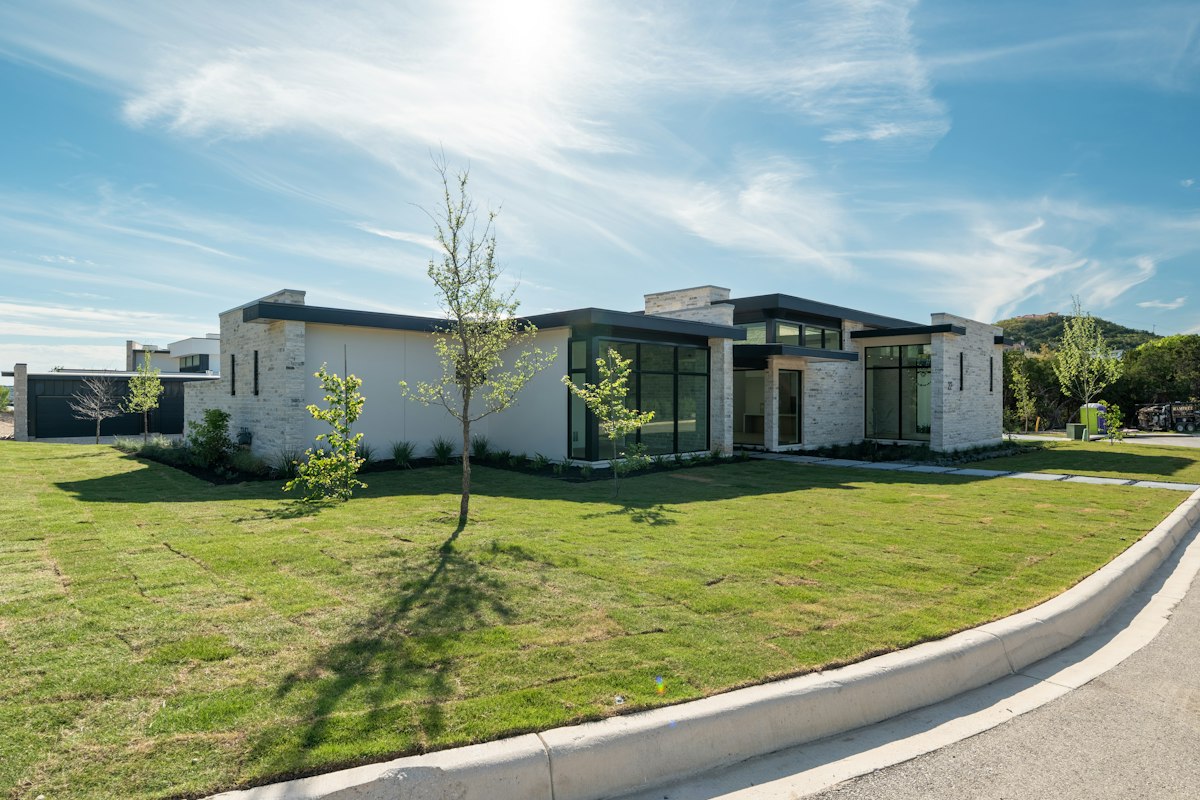
Finding New Construction Homes Near You: A Complete Look at Modern Developments
Searching for a home often feels like a series of compromises. You might find a property with the perfect layout but a kitchen that hasn't been updated since the 1980s. Or perhaps you find a great neighborhood, but the house requires a complete roof replacement within the first year. When you start looking specifically for new construction near me, you are usually trying to bypass these frustrations. You want something that works perfectly from the moment you step over the threshold.
The appeal of a brand-new home is undeniable. Everything is pristine, the energy efficiency is baked into the design, and you have the peace of mind that comes with a builder's warranty. However, the process of buying a new build differs significantly from purchasing a resale property. It involves different contracts, unique financing hurdles, and a timeline that can sometimes be unpredictable. Understanding these nuances is what separates a smooth transition from a stressful ordeal.
Related posts

Selling Strategies for Homeowners Ready to Find a Buyer
Standing in a living room filled with years of memories and realizing it is time to move on...
Read more →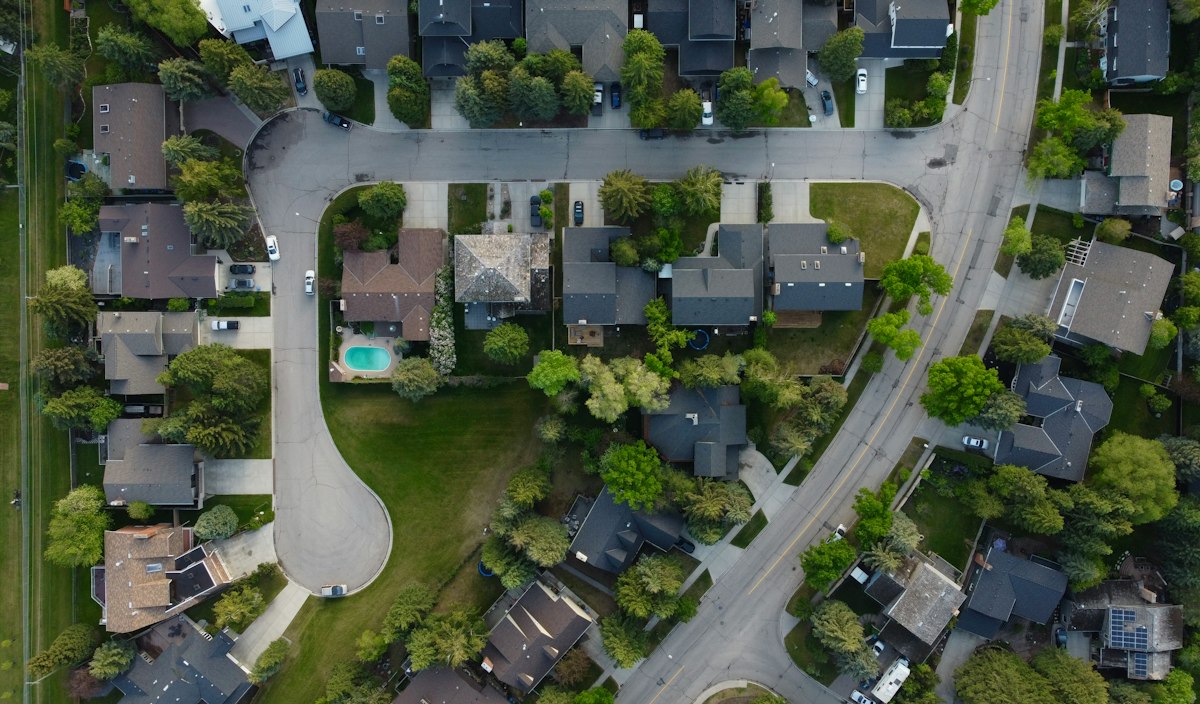
Modern Living: What to Expect When Searching for New Houses for Sale Near Me
Searching for new houses for sale near me often begins with a desire for a clean slate. You...
Read more →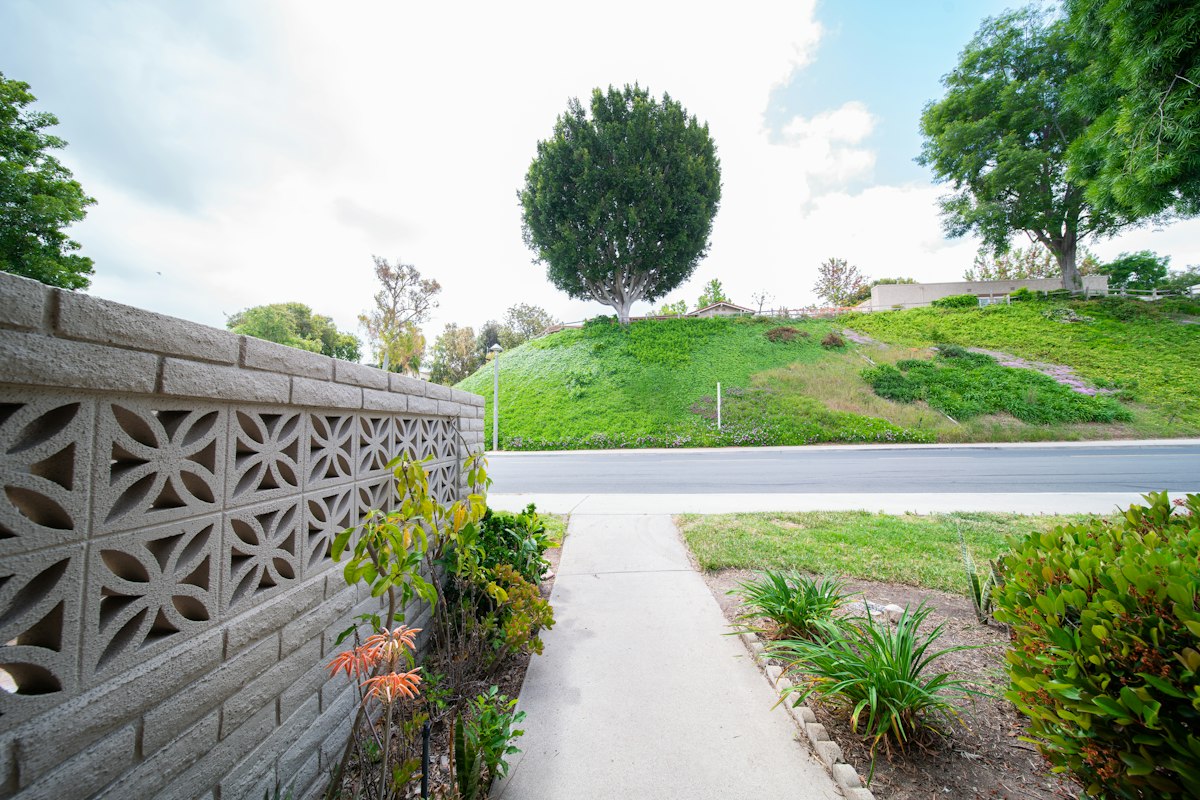
Smart Moves: A Deep Look at New Build Homes for Sale
Searching for a new place to live often feels like a balancing act between charm and practicality. When...
Read more →
Best Companies That Buy Houses for Cash: Top Options for a Fast Sale
Selling a home through traditional real estate channels often feels like a marathon with no clear finish line....
Read more →This discussion covers the practicalities of the current new construction market. We will look at how to identify the best developments in your local area, what to expect during the building phases, and the financial incentives that builders often use to attract buyers. We will also address the common pitfalls that many buyers overlook when they are dazzled by a beautiful model home. Whether you are looking for a quick move-in spec home or a fully custom build, the goal is to equip you with the knowledge to make a confident investment.
As you begin this journey, remember that the local market moves fast. New communities often release homes in phases, and pricing can jump significantly between the first and last phase. Being prepared means knowing which questions to ask before you sign on the dotted line. Let's look at the foundational elements you need to know before visiting your first construction site.
Key takeaways
- Financial Incentives: Builders often offer significant closing cost credits or interest rate buy-downs if you use their preferred lenders.
- Customization vs. Speed: Decide early between a "spec" home (ready soon) and a "dirt start" (customizable but takes months).
- Inspection Necessity: Never skip independent inspections; even new homes can have structural or mechanical errors.
- Agent Representation: Always bring your own real estate agent on your first visit to a model home to ensure your interests are protected.
The Realities of the New Construction Market
The current market for new homes is driven by a lack of inventory in the resale sector. Because fewer people are listing their older homes, builders have stepped up to fill the gap. When you search for new construction near me, you will likely see a mix of large-scale planned communities and smaller, infill developments. Each has its own set of pros and cons regarding privacy, amenities, and price points.
One thing to keep in mind is that the price you see on the sign is rarely the final price you pay. That base price often excludes the "lot premium," which is an extra fee for a better view or a larger backyard. It also typically doesn't include the upgrades you see in the model home. Most model homes are loaded with 50,000 to 100,000 dollars in extras to show off what is possible. Staying within your budget requires a disciplined approach to the design center.
Spec Homes vs. Custom Builds
A "spec" or speculative home is a house that the builder has already started or finished without a specific buyer in mind. These are excellent if you need to move quickly. The finishes are already chosen by professional designers, which takes the pressure off you to make hundreds of small decisions. The downside is that you cannot change the flooring, cabinetry, or layout.
A custom build or a "dirt start" allows you to pick the lot and the floor plan from the builder's catalog. This provides the highest level of personalization. You can choose the exact tile, the color of the grout, and where the electrical outlets go. However, this path requires patience. Depending on the supply chain and local permitting, a custom build can take anywhere from six months to over a year.
The Financial Side of New Construction
Financing a new build is not the same as a standard mortgage for an existing home. If you are buying a completed spec home, the process is similar to a resale. But if you are building from the ground up, you might encounter construction-to-permanent loans. These loans cover the cost of building and then convert into a traditional mortgage once the home is finished.
Builders frequently offer attractive incentives to keep their inventory moving. You might see offers for a 4.99% interest rate when the market average is much higher. These are usually funded by the builder paying "points" on your behalf. While these deals are tempting, always compare them with outside lenders. Sometimes the builder's lender has higher fees that offset the lower interest rate. Do the math before committing.
Hidden Costs to Prepare For
New homes often come with expenses that buyers don't anticipate. Most new builds do not include window treatments like blinds or curtains. They might not include a fence, a deck, or even basic landscaping in the backyard. In some cases, you might even need to purchase your own refrigerator or washer and dryer. When calculating your total investment, leave a buffer of at least 2% to 5% of the home's price for these immediate post-closing needs.
The Importance of Independent Inspections
A common mistake is assuming that because a house is new, it is perfect. Local municipal inspectors check for code compliance, but they are often overworked and might spend only minutes at a site. Hiring your own independent inspector provides a much deeper look at the property. Many buyers choose a three-phase inspection: once before the drywall goes up (to check wiring and plumbing), once when the home is finished, and once right before the 12-month warranty expires.
During the "blue tape" walkthrough, you will walk through the house with the builder and mark every scratch, dent, or unfinished detail with pieces of blue painter's tape. This is your chance to be picky. If a cabinet door is slightly crooked or a baseboard is scuffed, point it out. The builder is obligated to fix these items before you sign the final closing papers. Don't let the excitement of the move prevent you from being thorough.
Evaluating Builder Reputations
Not all builders are created equal. Before visiting a site, do some research on the company's history. Look for reviews from homeowners who have lived in their houses for more than two years. This is when structural issues or poor craftsmanship usually start to show. Visit older communities built by the same company to see how the homes are aging.
Ask about their warranty program. A standard warranty usually covers one year for workmanship and materials, two years for mechanical systems (HVAC, plumbing, electrical), and ten years for major structural defects. Knowing that the builder stands behind their work provides a level of security you simply don't get with a 50-year-old house. If a builder is vague about their warranty, consider it a red flag.
The Timeline of a New Build
If you are opting for a home that isn't built yet, prepare for a journey. The process usually begins with the pre-construction phase, where permits are pulled and the site is cleared. Then comes the foundation, which is the most weather-dependent stage. Once the "slab" is poured or the basement is dug, the framing begins. This is the most exciting part for many buyers, as they can finally see the shape of their future home.
After framing, the "rough-ins" occur. This is when the skeleton of the house gets its veins and nerves—the plumbing, wiring, and HVAC ducts. Once the insulation and drywall are up, the house starts to feel like a real indoor space. The final stages involve flooring, cabinetry, and trim work. Expect delays. Whether it is a late delivery of windows or a week of heavy rain, the estimated completion date is usually a moving target. Keep your current living situation flexible if possible.
Negotiating with Builders
Can you negotiate the price of a new construction home? The answer is: sometimes. Builders are often reluctant to drop the base price because it sets a lower "comparable sale" for future homes in the community, which upsets other buyers. Instead of a lower price, you might have better luck negotiating for upgrades. Ask for a finished garage, higher-end appliances, or a premium flooring package at no extra cost.
Timing matters here. Builders have quarterly and annual sales targets. If you are looking at a home near the end of the year and the builder has several completed homes sitting empty, they are much more likely to offer a deal. Conversely, if a community just opened and demand is high, expect very little room for negotiation. Having a real estate agent who understands the builder's specific business model can be a massive advantage in these discussions.
Frequently Asked Questions
Do I really need a real estate agent for new construction?
Yes. The sales representative in the model home works for the builder, not for you. Their job is to get the best price for the company. An independent agent represents your interests, helps you understand the contract, and can advise you on which upgrades will actually add resale value. In most cases, the builder pays the agent's commission, so the service is free to you.
Are new homes more energy-efficient?
Almost always. Modern building codes require much higher standards for insulation, window sealing, and HVAC efficiency than they did even ten years ago. Many new homes feature double or triple-pane windows, LED lighting, and smart thermostats as standard features. This often results in significantly lower monthly utility bills compared to older homes of a similar size.
What is a lot premium?
A lot premium is an additional fee charged for a specific piece of land within a development. This could be because the lot is larger, sits on a cul-de-sac, backs up to a wooded area, or has a better view. Lot premiums can range from a few thousand dollars to over a hundred thousand for prime waterfront or hillside positions.
Can I change the floor plan of a new build?
In a production or "tract" home community, changes to the floor plan are usually very limited. You might be able to choose between a fourth bedroom or an open loft, but you cannot move structural walls. In a fully custom build, you have total control over the layout, provided it meets local building codes and your budget allows for the architectural changes.
How long is the typical builder warranty?
Most builders offer a "1-2-10" warranty. This covers one year for general defects in materials and labor, two years for major mechanical systems like plumbing and electrical, and ten years for structural elements like the foundation or roof trusses. Always read the specific warranty document to see what is excluded, such as minor cracks in concrete or landscaping issues.
Conclusion
Finding the right new construction near me requires a blend of vision and pragmatism. While the idea of a perfect, untouched home is enticing, the process demands a high level of attention to detail and a clear understanding of the financial commitments involved. By focusing on reputable builders, securing independent inspections, and understanding the difference between base prices and final costs, you can ensure that your new home is a sound investment for years to come. Take your time, do your research, and don't be afraid to ask the hard questions before you commit to your new neighborhood.