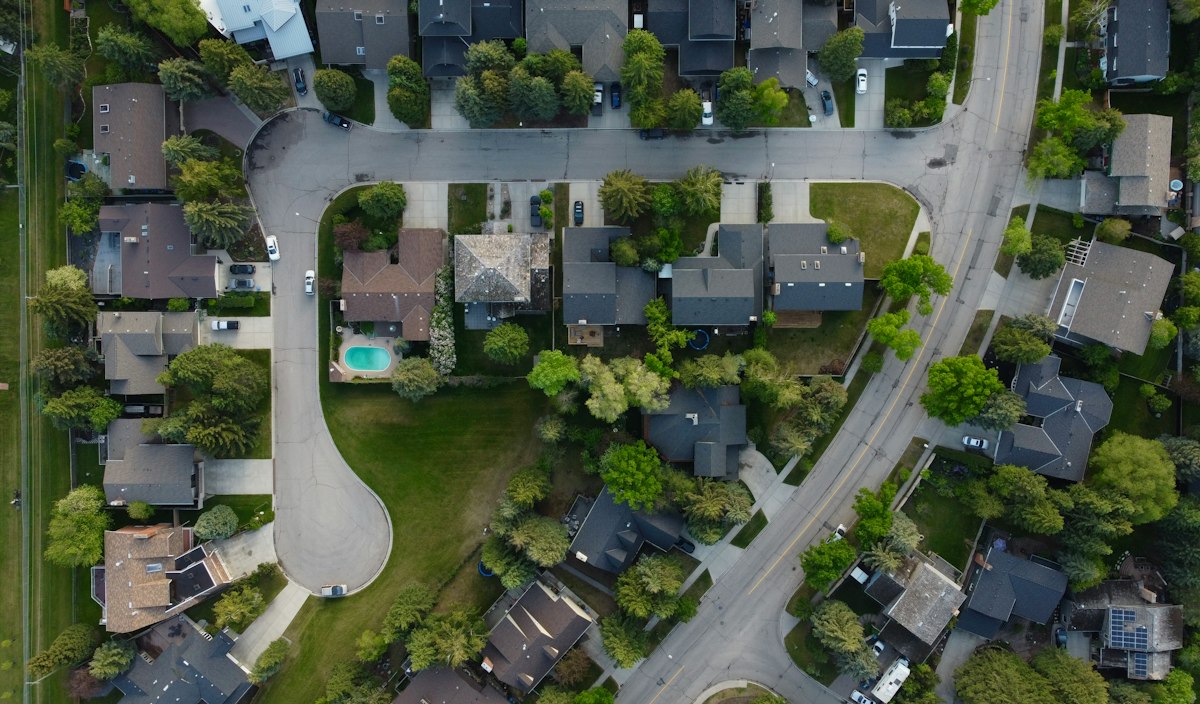
Modern Living: What to Expect When Searching for New Houses for Sale Near Me
Searching for new houses for sale near me often begins with a desire for a clean slate. You might be tired of the endless cycle of repairs that come with older properties or perhaps you are looking for a floor plan that actually reflects how people live in the 2020s. The appeal of being the first person to cook in a kitchen or the first to sleep in a primary suite is a significant draw for many buyers entering the current market.
Finding a newly constructed home involves a different set of priorities than purchasing a resale property. Instead of looking for hidden mold or outdated wiring, your focus shifts toward builder reputations, community amenities, and the specific warranties that protect your investment. The process is less about uncovering a home's history and more about participating in its creation or being the first to define its future.
Related posts

Selling Strategies for Homeowners Ready to Find a Buyer
Standing in a living room filled with years of memories and realizing it is time to move on...
Read more →
Smart Moves: A Deep Look at New Build Homes for Sale
Searching for a new place to live often feels like a balancing act between charm and practicality. When...
Read more →
Finding New Construction Homes Near You: A Complete Look at Modern Developments
Searching for a home often feels like a series of compromises. You might find a property with the...
Read more →
Best Companies That Buy Houses for Cash: Top Options for a Fast Sale
Selling a home through traditional real estate channels often feels like a marathon with no clear finish line....
Read more →This discussion covers the practicalities of the new construction market, ranging from the financial incentives builders use to attract buyers to the specific phases of the building process. We will look at why location still matters even when the house itself is perfect and why an independent inspection remains a necessary step even for a home that has never been lived in. By the end, you will have a clearer picture of whether a brand-new build aligns with your lifestyle and financial goals.
The journey toward owning a new home is rarely a straight line, but understanding the nuances of the local market can save you from common pitfalls. Whether you are looking at a quick move-in spec home or a custom build that is still just a plot of dirt, the following insights will help you approach the search with the confidence of an industry insider.
Key takeaways
- Builder Incentives: Many developers offer significant financial perks, such as interest rate buy-downs or closing cost credits, which can make new homes more affordable than resales.
- Phased Inspections: Hiring an independent inspector to check the home during the framing and pre-drywall stages ensures that structural and mechanical issues are caught early.
- Warranty Protection: New builds typically come with a tiered warranty system covering workmanship, systems, and structural integrity for varying periods.
- Customization vs. Speed: Choosing between a spec home and a custom build requires balancing your desire for specific finishes against your need for a concrete move-in date.
The Allure of Fresh Construction
The primary reason people search for new houses for sale near me is the promise of modern efficiency. Older homes often suffer from poor insulation, drafty windows, and HVAC systems that struggle to maintain a consistent temperature. New construction utilizes the latest building codes and energy-efficient materials, which frequently results in lower monthly utility bills and a smaller environmental footprint. This is not just about being green; it is about the tangible comfort of a well-sealed home.
Beyond the mechanical benefits, there is the undeniable appeal of contemporary design. Open-concept living areas, high ceilings, and integrated smart home technology are standard in most new developments. You won't find the awkward, compartmentalized rooms common in mid-century builds. Instead, these homes are designed for entertaining and multi-functional use, often including dedicated home office spaces that have become a requirement for many modern professionals.
Understanding Spec Homes and Custom Builds
When you start your search, you will likely encounter two main categories of new inventory: spec homes and custom builds. A speculative (spec) home is a house that a builder has already started or completed without a specific buyer in mind. These are excellent options if you need to move quickly. The builder has already made the design choices, which means you won't have to spend weeks agonizing over tile samples or paint colors. The downside, of course, is that you have less input on the final aesthetic.
On the other end of the spectrum is the custom or semi-custom build. This path allows you to select the lot, the floor plan, and every finish from the flooring to the light fixtures. While this offers the highest level of personalization, it also requires a significant time commitment. Build times can range from six months to over a year, depending on weather, supply chain stability, and local permitting. If you choose this route, patience becomes your most valuable asset.
The Middle Ground: Semi-Custom Homes
Many large-scale developers offer a middle ground often referred to as semi-custom. In these scenarios, you choose from a handful of pre-approved floor plans and then visit a design center to select your finishes. This provides a sense of personalization without the overwhelming complexity of a fully custom project. It is a popular choice for buyers who want their home to feel unique but still want the reliability of a proven architectural design.
Financial Incentives and Builder Financing
One of the most compelling reasons to look at new houses for sale near me is the financial flexibility builders often provide. Because developers have a vested interest in moving inventory quickly to satisfy their own lenders, they frequently offer incentives that traditional sellers cannot match. These might include mortgage rate buy-downs, where the builder pays to lower your interest rate for the first few years or even the life of the loan.
Additionally, many builders have "preferred lenders." While you are never obligated to use them, doing so often triggers thousands of dollars in credits toward your closing costs. These credits can be used to reduce your out-of-pocket expenses at the signing table or to pay for upgrades like high-end appliances or premium landscaping. It is always wise to compare these offers against an outside mortgage broker to ensure you are truly getting the best deal.
The Importance of Independent Inspections
It is a common misconception that a new home does not need an inspection. After all, it was built to code and passed municipal inspections, right? In reality, municipal inspectors are often rushed and only look for basic code compliance. They may miss a poorly installed flashing on the roof or a disconnected duct in the attic. Hiring your own inspector provides an extra layer of security.
For the best results, consider a three-phase inspection process. The first happens before the foundation is poured, the second occurs after framing and mechanical systems are installed but before the drywall goes up, and the third is the final walkthrough. The pre-drywall inspection is particularly significant because it allows the inspector to see the "bones" of the house—plumbing, wiring, and structural supports—that will be hidden forever once the walls are finished.
Evaluating the Community and Location
When searching for new houses for sale near me, remember that you aren't just buying a building; you are buying into a neighborhood. Many new construction projects are part of master-planned communities. These often feature amenities like walking trails, community pools, and clubhouses. However, these perks come with Homeowners Association (HOA) fees. Before committing, review the HOA bylaws and fee structures to ensure they fit your budget and lifestyle.
Consider also the long-term development of the surrounding area. Is the vacant land next to the subdivision slated for a quiet park or a 24-hour distribution center? Checking local zoning maps and future land-use plans at the city or county office can prevent unpleasant surprises down the road. A beautiful new home loses some of its luster if a major highway extension is planned for your backyard in three years.
The Warranty Period: Your Safety Net
One of the most significant advantages of new construction is the builder's warranty. While specific terms vary by state and builder, most follow a standard 1-2-10 structure. This generally includes one year of coverage for labor and materials (cosmetic issues like drywall cracks or trim), two years for mechanical systems (plumbing, electrical, and HVAC), and ten years for major structural defects.
It is standard practice for builders to perform an "11-month walkthrough." This happens just before your initial one-year warranty expires. It is your opportunity to point out any nail pops, settling cracks, or door misalignments that have occurred as the house has gone through its first full cycle of seasons. Being diligent during this period ensures that the builder bears the cost of these minor repairs rather than you.
Negotiation Strategies for New Builds
Negotiating for a new home is different than negotiating for a resale. Builders are often reluctant to drop the base price of a home because it sets a lower comparable value for future sales in the community, which upsets both current homeowners and their lenders. Instead of pushing for a lower price, focus your negotiation efforts on concessions.
Ask for upgrades to be included at no cost, such as a finished garage, upgraded flooring, or a high-end appliance package. You might also negotiate for the builder to cover all closing costs or to include a fence or deck that wasn't part of the original plan. These items have a high perceived value for you but a lower actual cost for the builder, making them more likely to agree to these terms than a straight price reduction.
FAQ
Are new construction homes more expensive than older homes?
Generally, new homes have a higher purchase price per square foot than older homes in the same area. However, when you factor in the lack of immediate repair needs, lower utility bills, and builder incentives, the total cost of ownership over the first five to ten years can often be comparable or even lower than an older home that requires significant modernization.
Can I use my own real estate agent for a new build?
Yes, and you absolutely should. The sales representative in the model home works for the builder and has the builder's best interests in mind. Your own agent will represent you, helping with negotiations, contract reviews, and ensuring that your interests are protected throughout the construction process. Just be sure to bring your agent with you on your very first visit to the community, as many builders require them to be present for the initial registration.
How long does it take to build a new house?
For a standard production home in a subdivision, the timeline is typically between six and nine months from the time the contract is signed. Fully custom homes can take twelve to eighteen months or longer. Factors like permit delays, weather conditions, and labor shortages can extend these timelines, so it is important to have a flexible living situation during the build.
What is a punch list?
A punch list is a document created during the final walkthrough before closing. It lists all the minor items that still need to be addressed, such as a scratched cabinet door, a missing piece of trim, or a light switch that doesn't work. The builder is responsible for completing these items, often before you move in or shortly thereafter.
Do new homes come with landscaping?
This depends entirely on the builder and the specific contract. Some builders include a full sod lawn, irrigation system, and basic foundation plantings. Others may only provide seed and straw or even leave the yard as graded dirt. Always clarify what is included in the base price so you aren't surprised by a muddy yard on moving day.
Conclusion
Searching for new houses for sale near me is an exercise in balancing modern desires with practical realities. While the allure of a pristine, energy-efficient home is strong, success in this market requires a sharp eye for detail and a willingness to advocate for yourself. By focusing on builder reputation, securing independent inspections, and understanding the nuances of builder financing, you can find a property that offers both immediate comfort and long-term value.
Take the time to visit different communities, talk to current residents if possible, and keep a close eye on the local development plans. A new home is more than just a structure; it is the foundation for your next chapter. With the right preparation and a clear understanding of the process, your search for a new build will lead you to a home that perfectly fits your modern lifestyle.